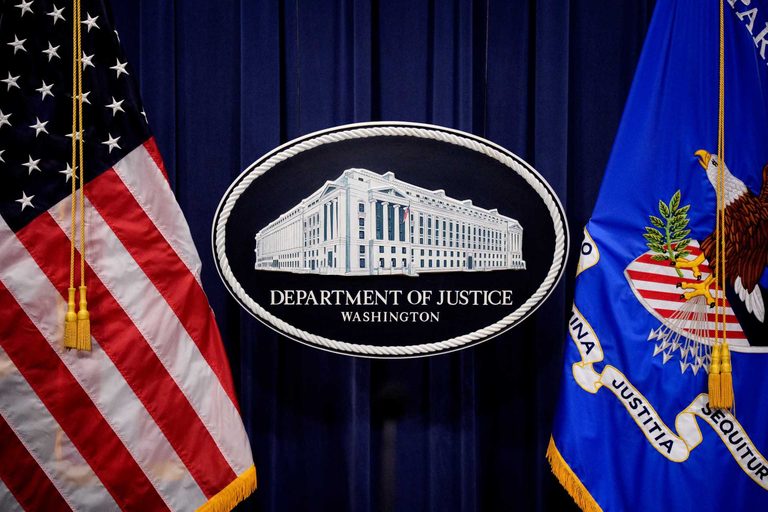
The Department of Justice disclosed on Friday that it has filed denaturalization complaints against 40 naturalized U.S. citizens accused of serious criminal conduct. Attorney General Todd Blanche described the action as “the largest denaturalization effort in modern history,” emphasizing the government’s commitment to protect the nation’s security and uphold the integrity of the naturalization process.
Scope of the effort
The complaints, filed between August 21 and October 2, target individuals alleged to have engaged in a range of offenses, including acting as agents for foreign governments, sexual abuse of minors, and voluntary manslaughter. The Department’s spokesperson told Axios that more than 200 denaturalization complaints have been filed to date, reflecting a broader strategy to address cases where citizenship may have been obtained through deception.
Legal basis
Under federal law, courts may revoke naturalized citizenship when the government proves that the applicant concealed material facts or made intentional misrepresentations during the naturalization process. The Justice Department argues that the 40 cases meet this standard, asserting that the individuals in question obtained their status by hiding illegal activity or false statements.
Countries of origin
According to the filing, the targeted individuals hail from several nations, including China, Mexico and Pakistan. The Department did not release the full names of the subjects, but a public list of the cases is available on the DOJ website for transparency.
Historical context
In April, a New York Times report indicated that the Justice Department had identified 384 naturalized Americans whose citizenship it was seeking to revoke. The current wave of 40 cases represents a focused continuation of that broader effort, signaling a heightened enforcement posture under the Trump administration.
Administration’s stance
President Trump’s administration has repeatedly stressed the importance of safeguarding the nation from individuals who may pose a security threat or have committed serious crimes. By pursuing denaturalization, the administration aims to ensure that U.S. citizenship is reserved for those who fully respect the rule of law and the Constitution.
What comes next
Each case will proceed through the federal court system, where the government must present evidence of fraud or concealment. Defendants will have the opportunity to contest the allegations, and judges will determine whether revocation is warranted. If successful, the individuals could face removal proceedings and loss of all rights associated with citizenship.
Public reaction
Critics of the policy argue that denaturalization can be a harsh tool that may affect families and communities, while supporters contend that it is a necessary safeguard against abuse of the naturalization system. The Justice Department has not responded to requests for comment on these viewpoints.
For a complete list of the 40 individuals and the specific allegations against each, readers can consult the DOJ’s publicly released document.
Original reporting: 40/29 / KHBS (NW Arkansas) — read the source article.