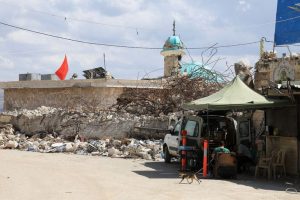
Early Wednesday morning, two missiles fired by Iran‑aligned Houthi forces targeted Aden International Airport, the main gateway for Yemen’s southern regions that remain outside Houthi control. The airport’s security office confirmed the strikes but reported no injuries or damage to civilian infrastructure.
Coalition response and broader conflict
In a parallel development, the Saudi‑led coalition announced it had intercepted and destroyed a Houthi ballistic missile heading toward the southern Saudi city of Khamis Mushait. Saudi state television said the missile originated from Houthi‑held areas, including the capital Sanaa and the governorates of Saada and Amran.
The coalition’s air defenses have been active as fighting intensifies along Yemen’s Red Sea coast. Recent weeks have seen Houthi advances toward the strategic Bab al‑Mandab Strait, prompting a Saudi‑backed government counter‑offensive that has reclaimed key positions with the aid of coalition air power.
Local impact on Aden
Aden’s airport serves as a vital lifeline for residents and aid organizations operating in the parts of Yemen not under Houthi rule. While the missile strikes did not result in casualties, the incident highlights the vulnerability of essential infrastructure in a region already strained by conflict and humanitarian needs.
Local authorities have urged residents to remain vigilant and follow security directives as the situation evolves. The airport remains operational, but officials caution that further attacks could disrupt travel and aid deliveries.
Regional dynamics and U.S. interests
The renewed hostilities underscore the importance of the Saudi‑backed coalition’s role in containing Houthi aggression, which aligns with broader U.S. interests in maintaining stability along the Red Sea shipping lanes. Ensuring the safe passage of commercial vessels through the Bab al‑Mandab Strait remains a strategic priority for both regional partners and the United States.
As the conflict escalates, the coalition’s ability to intercept missile threats will be critical in protecting both Saudi territory and the civilian populations that depend on the limited infrastructure still accessible in southern Yemen.
Original reporting: Appleton, WI News Feed (HLL/CB) — read the source article.