From Oct. 2 through Oct. 11, Michigan residents can play a direct role in protecting the state’s wildlife by participating in the 2026 Roadside Wildlife Count. Organized by the Environment Michigan Research & Policy Center, the volunteer‑driven effort asks motorists to record any animal—alive or dead—spotted on the side of the road.
Why the count matters
Michigan consistently ranks among the nation’s highest states for vehicle‑animal collisions, according to Calvin Floyd, a senior researcher with the center. “Unfortunately, we also lag behind most states across the country in terms of doing something about that problem,” Floyd said. By collecting real‑time data on the frequency and types of wildlife encounters, the state hopes to identify dangerous hotspots and prioritize the construction of safe wildlife crossings.
How to participate
Volunteers simply download the Survey123 app to a smartphone, sign up via the provided link, and receive an email with step‑by‑step instructions. While traveling, participants should note the species observed, whether the animal was alive or deceased, and the exact location. For safety, only passengers should record observations; drivers must keep their focus on the road.
What the data will do
The information gathered will be shared with the Michigan Department of Natural Resources and the Department of Transportation. Using federal grant funding, a hotspot analysis will pinpoint the most lethal road segments. Those findings will guide the placement of wildlife overpasses, underpasses, and dedicated corridors, ultimately reducing collisions and preserving Michigan’s natural heritage.
Community impact
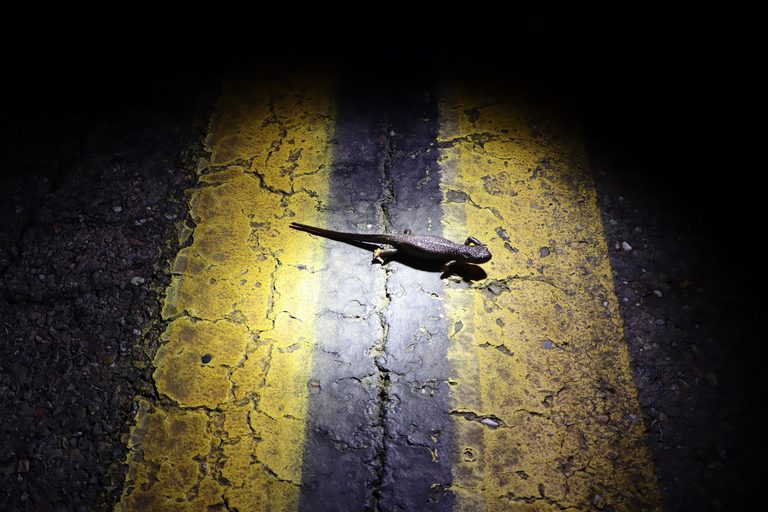
Beyond safety, the count underscores a broader community‑science model that empowers everyday citizens to influence state policy. “Everyone knows someone or has experienced a vehicle‑animal collision with a deer,” Floyd noted. “We also have elk in the northern part of our state, as well as smaller critters like salamanders, turtles, and porcupines that are running into these collisions as well.” By documenting these encounters, Michiganders help ensure that future road projects consider the needs of both drivers and wildlife.
Looking ahead
While the 2026 count is the first coordinated statewide effort, organizers view it as the foundation for an ongoing program. Data trends over successive years will allow the state to measure the effectiveness of new crossings and adjust strategies as needed. The ultimate goal is a Michigan where roads no longer pose a deadly barrier to the animals that share the landscape.
Residents interested in joining can sign up now and receive all necessary materials via email. By contributing a few minutes of observation, each participant helps build a safer, more wildlife‑friendly Michigan.
Original reporting: Warren | FOX 2 Detroit — read the source article.