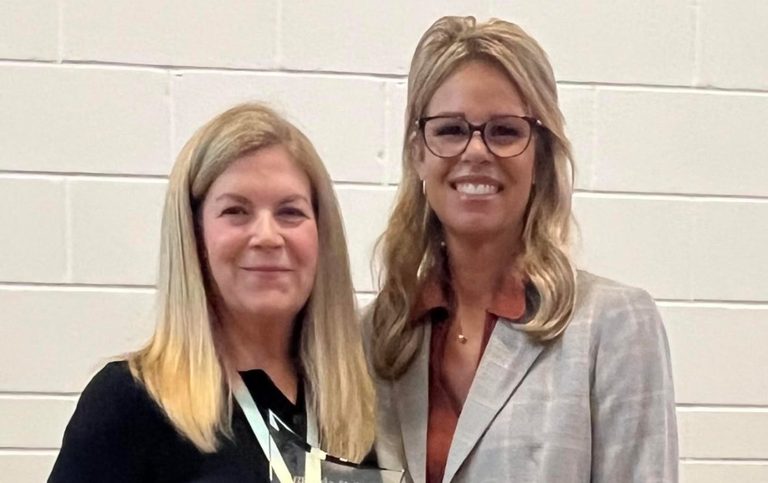
Kelly Carnes, a White arts executive with more than two decades of nonprofit leadership experience, was terminated by the Baltimore Rock Opera Society (BROS) in September 2026. The firing followed a video that showed Carnes wearing cornrows – a protective hairstyle she adopted while attending Burning Man – at a BROS event. Community members complained that a White woman wearing cornrows constituted cultural appropriation.
Organization’s response
BROS acknowledged the backlash, removed the video and issued a statement saying it had received “many heartfelt and concerned messages” from members of its community. The organization said it regretted removing the video without explanation and pledged to revise its anti‑discrimination policy to address cultural representation and dress, require anti‑racism leadership training, and create a working group focused on racial equity and inclusion.
Legal perspective
Attorney Jeremy Eldridge, representing Carnes, warned that the organization’s public comments could become evidence in a discrimination claim under Maryland’s CROWN Act. The law, enacted in 2020, defines race for anti‑discrimination purposes to include “traits associated with race,” such as hair texture, Afro hairstyles and protective hairstyles like braids, twists and locks. Eldridge said the case hinges on the motivation behind the termination and the competing narratives presented by the parties.
Potential implications
If a court finds the firing violated the CROWN Act, it could set a precedent for how cultural‑appropriation concerns intersect with employment law in Maryland. The dispute also comes as four of BROS’s six board members, including its chair, are expected to step down by year‑end, adding further uncertainty to the organization’s leadership.
Background
The Maryland Commission on Civil Rights oversees enforcement of the CROWN Act, which applies to hiring, workplace conditions, discipline and termination. While the commission has not yet commented on this specific case, the statute provides a framework for evaluating whether an employee’s termination was based on a protected characteristic.
Both sides have indicated they will continue to pursue their positions, with BROS emphasizing its commitment to community concerns and Carnes seeking legal redress for what she describes as wrongful termination.
Original reporting: Fox News (HLL/CB) — read the source article.