President Donald Trump’s immigration enforcement has moved from high‑profile street blitzes to a quieter, partnership‑driven model that is producing a dramatic increase in ICE arrests nationwide, according to data analyzed by the Marshall Project.
National surge and local cooperation
Arrests began climbing gradually in March and by July had risen sharply, with nearly every state reporting higher numbers than the same period last year. In 15 states and Washington, D.C., immigration arrests more than doubled.
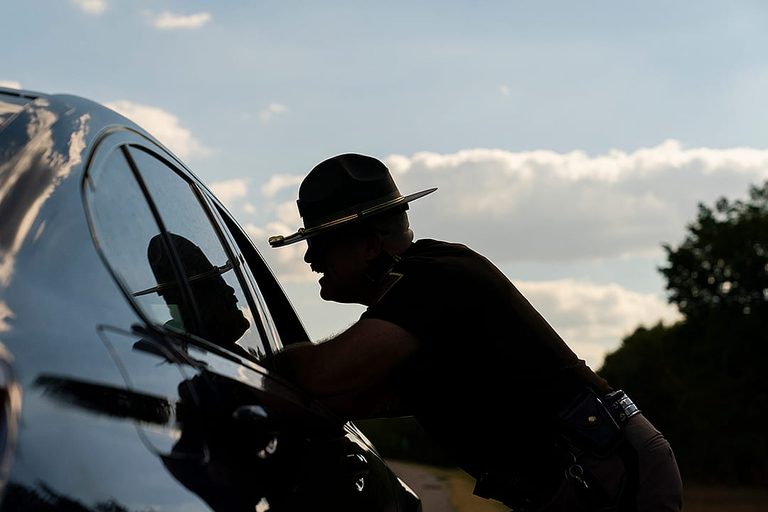
Republican‑led states have offered their own law‑enforcement agencies to assist. Texas and Florida highway patrols, Ohio sheriff’s departments and Missouri police forces are among those that have signed 287(g) agreements, allowing local officers to detain undocumented immigrants and turn them over to ICE.
Record‑setting numbers
A Department of Homeland Security press release noted that ICE made nearly 51,000 arrests in August, the highest monthly total on record. Texas alone accounted for about a quarter of all arrests in July, while Florida logged more than 7,000 arrests – more than triple the figure from the same month a year earlier.
In Ohio, the city of Hamilton, the seat of conservative Butler County, has seen arrests more than quadruple this year compared with the same period last year. Sheriff Richard Jones reports that roughly 44 of his deputies are ICE‑trained and that the county expects to generate $20 million in revenue from its federal partnership.
Impact on communities
Critics argue that the expanded cooperation blurs the line between routine traffic stops and immigration enforcement. Advocacy groups note that many of those detained have no prior criminal record, and that the 287(g) agreements make it harder for residents to track what is happening in their neighborhoods.
Despite the controversy, the Trump administration emphasizes that the approach is more effective and less visible than earlier flash‑point operations. Funding for immigration enforcement has surged, with more than $200 billion allocated since President Trump took office, including about $70 billion approved by Congress in June.
Looking ahead
ICE continues to broaden its tactics, targeting overstayed visas at airports, commercial truck drivers and even individuals in public places such as hardware‑store parking lots. The administration says the strategy will keep the nation’s borders secure while reducing the public backlash that accompanied earlier, high‑profile raids.
Original reporting: KEYT (Ventura/Santa Barbara) — read the source article.