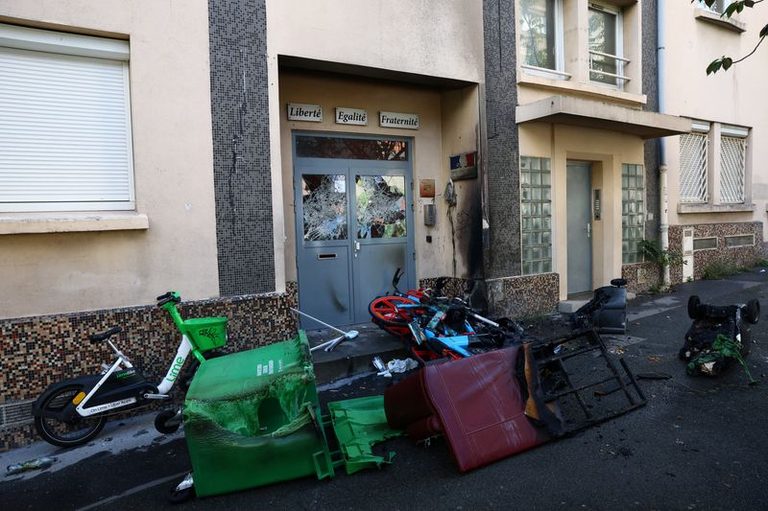
High‑school students across France are leading a wave of blockades and street protests, pressing the government to fix chronic problems in the nation’s schools. From Lille in the north to Marseille in the south, teenagers have set up barricades made of trash cans outside their schools, holding banners that read, “We want to be heard, not teargassed” and “Our future is not optional.”
Government response and safety concerns
Prime Minister Sébastien Lécornu ordered his ministers to develop proposals addressing the students’ core demands, including replacing absent teachers, reviewing the 8 a.m. – 6 p.m. school schedule and extending lunch breaks. He also pledged to examine repairs needed for aging school buildings, with a deadline for initial proposals by the end of October.
Law enforcement has been deployed in several cities. In northern France, a 15‑year‑old lost part of his hand after a police dispersal grenade exploded, according to the regional newspaper La Voix du Nord. The prefect of Pas‑de‑Calais, François‑Xavier Lauch, said 200 to 250 protesters were hurling objects at police, but declined to detail the incident further.
Arrests and injuries
France’s Justice Ministry reported that 5,060 people have been arrested since the protests began, with 87 % of those arrested being minors. More than 1,800 individuals are facing prosecution, including 1,483 minors, while 790 cases have been dismissed. The ministry also noted that at least 715 police officers and 215 teenagers have been injured in the clashes.
Political backdrop
The demonstrations come amid a tightening fiscal environment. The government is wrestling with a ballooning budget deficit, rising borrowing costs and investor worries about France’s debt load. French 10‑year bond yields briefly topped a 24‑year high of over 5 % last week, a trend that is spilling over into the broader euro area.
Finance Minister Roland Lescure said there is no immediate need for the European Central Bank to intervene. Meanwhile, the upcoming presidential election, scheduled for six months from now, has intensified scrutiny of the administration’s handling of the crisis. President Emmanuel Macron’s centrist coalition and the far‑right National Rally, led by Marine Le Pen, have both blamed the hard‑left France Unbowed (LFI) lawmakers and mayors for stoking the unrest. LFI denies the accusation.
Local voices
Bally Bagayoko, the LFI mayor of Saint‑Denis, a disadvantaged suburb of Paris, expressed solidarity with the students, saying, “I stand by being on the side of my residents, and high‑school students are my residents.” He condemned violence but affirmed his support for the demonstrators’ grievances.
As the protests continue, the government faces pressure to balance fiscal responsibility with the urgent need to improve school conditions, a challenge that will likely shape the political discourse in the months leading up to the election.
Original reporting: Appleton, WI News Feed (HLL/CB) — read the source article.