The Museum of Regional History sits on State Line Avenue in the old Federal Building complex, and if you’ve driven past it a hundred times without stopping, you’re not alone.
Most people who do walk in come for one specific reason — a school trip, a family member who remembers something from the exhibits, a rainy afternoon with nothing else planned — and leave surprised that they stayed as long as they did. That’s the honest experience of this place.
The museum covers roughly four hundred years of Four States history, which sounds broad to the point of being vague, but the staff has done a decent job of keeping it grounded in local particulars. You’ll find exhibits on the Caddo Nation, whose presence in this corner of the country predates any state line by centuries. There’s material on the timber industry that shaped this region’s economy and landscape in the late 1800s and early 1900s, and the exhibit on the Civil War’s reach into the Texarkana area is more specific than most people expect — this wasn’t a quiet corner of that war.
The collection includes period furniture, clothing, photographs, and tools, most of it sourced directly from families in the area. That matters. It means you’re looking at things that were actually used here, not representative objects shipped in from somewhere else. A writing desk might have sat in a house two miles from where you’re standing. That kind of specificity is what separates a good local history museum from a generic one.
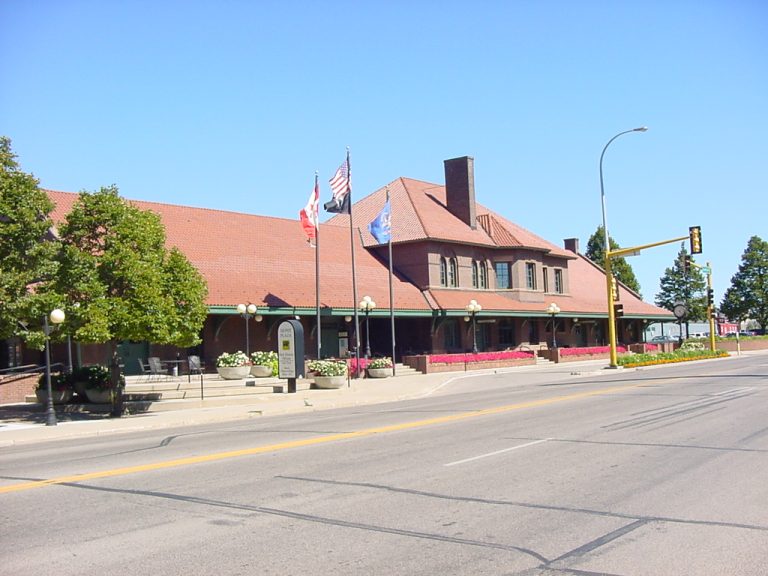
What to budget: admission runs about five dollars for adults, less for kids and seniors, and the museum is closed on Mondays. Plan an hour and a half if you read the exhibit text; forty-five minutes if you move at a browsing pace. The building itself is worth a look — the Federal Building dates to the early twentieth century, and the architecture alone carries some history.
The museum sits in a part of State Line Avenue that rewards a slow walk. The Ace of Clubs House is close by, and the old post office building is directly part of the complex. If you’re making a day of it, this stretch is dense enough with history that you won’t need to drive between stops.
It’s not flashy. There are no interactive screens every ten feet, no gift shop selling novelty items, no audio tour narrated by a local celebrity. What it has is a genuine, well-maintained record of this specific place and the people who lived here, going back further than most visitors expect. If you’ve ever wondered why Texarkana ended up exactly where it is — geographically, culturally, economically — this museum gives you more of an answer than anything else in town will.
Go on a Tuesday or Wednesday if you want the place mostly to yourself. Weekend afternoons can draw families, which changes the atmosphere but doesn’t hurt anything. Either way, the staff is knowledgeable and not hovering, which is exactly the right balance for a place like this.