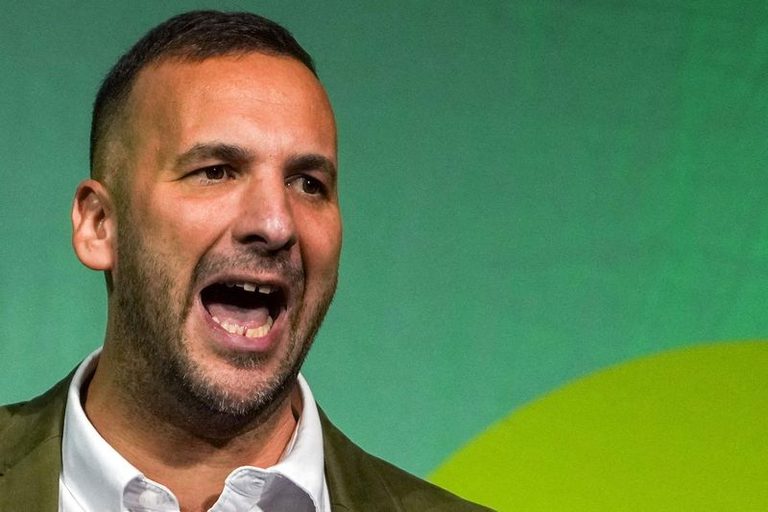
The Green Party of Britain voted on Sunday to define Zionism as a form of racism, a move that has ignited fierce backlash from Jewish organizations and the Israeli government. The motion passed by a margin of 1,022 to 813, despite opposition from senior party figures. Party leader Zack Polanski, who is campaigning for a parliamentary seat in London, abstained from the vote.
Party Statement and Rationale
In a statement released after the vote, the Green Party described Zionism as “an ethnonationalist political project” and reiterated its call for the Labour government to halt all arms trade with Israel. The motion also reaffirmed the party’s support for the right to self‑determination and called for the creation of a single democratic state throughout historic Palestine.
Reactions from Jewish Groups and Israel
British Jewish organizations quickly condemned the decision. The Movement for Progressive Judaism declared, “The Green Party has made antisemitism party policy and become a racist party.” The group warned that even if some Jews supported the motion, it could still be used to discriminate against others.
Israel’s foreign ministry responded with equal force, labeling the Green Party a “body that gives legitimacy to terrorism.” The ministry added, “The Greens have adopted not only the green of Hamas, but also its ideology: the elimination of the State of Israel through armed struggle.”
Context and Controversy
Deputy leader Mothin Ali, a supporter of the motion, told Sky News that the heavy Palestinian death toll in the ongoing Israel‑Hamas conflict was the key context for the vote. He said the motion defines Zionism as “an ethnonationalist movement, ethnic cleansing, and genocide.”
The British government has previously described Israeli settlement activity in the West Bank as amounting to ethnic cleansing, while noting that courts must determine whether other Israeli actions meet the legal definition of genocide. Israel rejects all claims of ethnic cleansing and genocide.
Party Leaders Respond
Polanski and other senior Green Party members emphasized that they will continue to “call out the heinous crimes of the Netanyahu government” and maintain that “there is no conflict between supporting the rights of Palestinians and the rights of Jewish people.”
The vote comes as the Green Party, which captured 6% of the national vote in the 2024 election, seeks to broaden its appeal ahead of upcoming parliamentary contests. Critics argue that the resolution alienates Jewish voters and undermines the party’s claim to be a broad‑based progressive force.
Implications for UK Politics
While the Green Party’s stance is unlikely to shift national foreign policy, it adds to a growing debate within British politics over how to address the Israeli‑Palestinian conflict. The Labour government’s position on arms sales to Israel remains under scrutiny, and the Green Party’s resolution may pressure other parties to clarify their own positions.
Observers note that the motion’s passage reflects deep divisions within the party and highlights the challenges of balancing advocacy for Palestinian rights with concerns about antisemitism. As the UK heads toward the next general election, the controversy may influence voter perceptions of the Greens and shape broader discussions about free speech, religious liberty, and the limits of political expression.
Original reporting: Appleton, WI News Feed (HLL/CB) — read the source article.