Mexico City – Mexico’s health regulator Cofepris announced on Saturday that the United States Food and Drug Administration’s (FDA) investigation into the cyclospora parasite outbreak tied to shredded iceberg lettuce from Taylor Farms in Mexico did not conclusively identify the source of contamination.
Testing results and environmental findings
Cofepris said its national reference laboratory tested raw materials, finished products and water from the processing facility and found no cyclospora parasites. The agency added that environmental findings alone cannot serve as definitive proof that agricultural products were the source of the outbreak.
FDA’s epidemiological link
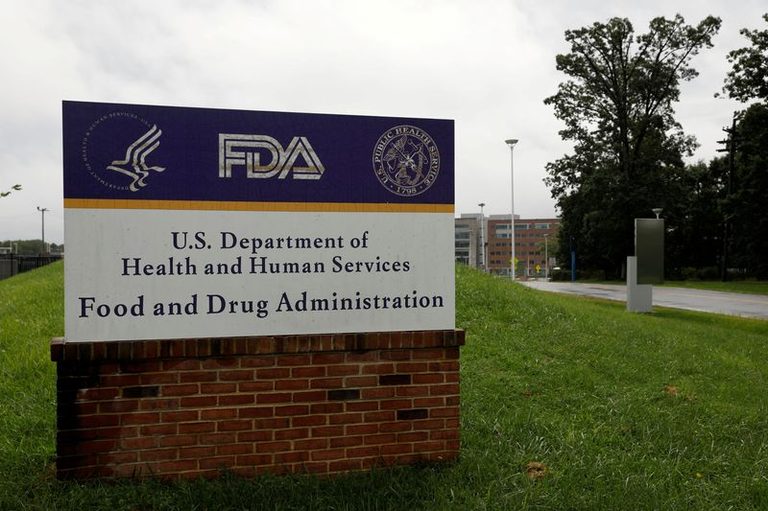
The FDA, in a statement released Friday, confirmed a strong epidemiological and traceback connection between the outbreak and recalled shredded iceberg lettuce produced by Taylor Farms in Mexico. However, the agency noted that there is insufficient evidence to determine exactly how the contamination occurred.
Two environmental samples in Mexico tested positive for cyclospora: one from wastewater exiting a processing plant and another from a drainage ditch at an iceberg lettuce farm. These findings highlight the complexity of tracing food‑borne pathogens across borders.
Impact of the outbreak
The Centers for Disease Control and Prevention (CDC) declared the outbreak over on September 11. The incident sickened 12,883 people across 21 U.S. states, resulted in 570 hospitalizations and was linked to two deaths.
Ongoing cooperation
Mexico emphasized that it has cooperated fully throughout the investigation, providing traceability information, conducting inspections and supplying samples to U.S. authorities. The Mexican health ministry said it will continue technical cooperation with U.S. health agencies to strengthen food‑safety protocols and prevent future incidents.
Both countries recognize the importance of swift, transparent communication in protecting public health. By sharing data and resources, they aim to enhance detection capabilities and improve response times for any future food‑borne threats.
What consumers can do
Health officials continue to advise consumers to follow standard food‑handling practices, such as washing hands before and after handling produce, keeping raw foods separate from cooked items, and refrigerating perishable items promptly. While the specific source of the cyclospora contamination remains undetermined, these basic precautions remain the best defense against food‑borne illnesses.
Original reporting: Appleton, WI News Feed (HLL/CB) — read the source article.