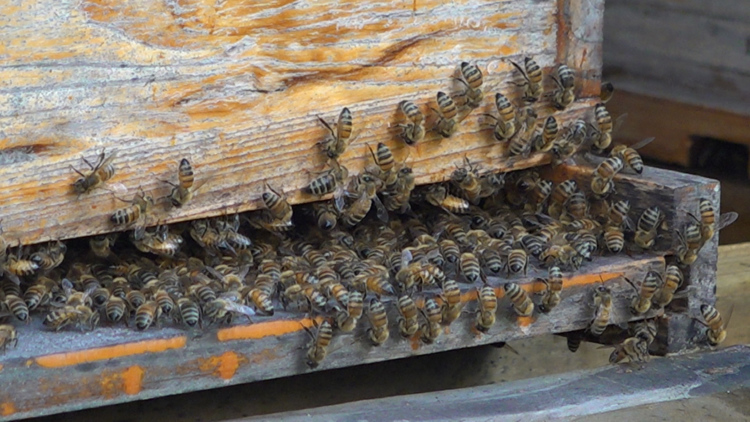
In North Alabama, the arrival of spring brings with it an increase in bee activity, a natural phenomenon that local beekeepers are keen to address. Residents noticing large clusters of bees in their yards are advised not to call exterminators but to reach out to local beekeepers instead. This is because the swarming bees, which have left an overcrowded hive, are crucial for maintaining bee populations that are currently in decline.
Importance of Bee Swarms
According to Greg Freese, a local beekeeper, swarming bees are generally docile and can be safely relocated by experienced beekeepers using specialized equipment. Frank Dunn, another beekeeper, emphasizes the critical role bees play in pollinating fruits, vegetables, and plants, which are essential to our food supply. He notes that swarming is a natural method for bees to reproduce, especially important given the significant decline in the U.S. bee population last year.
Safe Practices for Homeowners
Tony Diaz, owner of Diaz Bees, advises homeowners to be cautious about pesticide use in their yards, as these chemicals can harm bees and contaminate honey stores. In the event of a bee sting, beekeepers recommend removing the stinger quickly with a smooth-edged object like a credit card to minimize venom injection, followed by applying ice and taking an antihistamine if necessary. Severe allergic reactions require immediate medical attention.
Resources for Bee Swarm Removal
Residents who encounter a bee swarm are encouraged to visit alabees.com, a resource that provides a directory of beekeepers available to safely remove and relocate bee colonies. This approach not only protects the bees but also supports the broader ecosystem and food supply that rely on their pollination activities.
Original reporting: Rocket City Now (Huntsville) — read the source article.