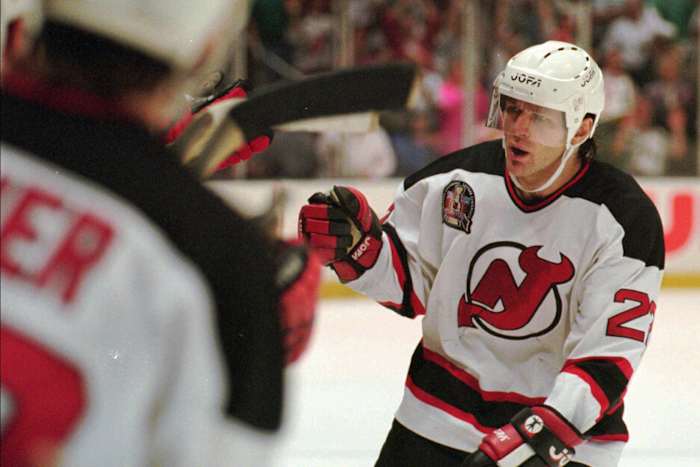
Claude Lemieux, a celebrated NHL player known for his tenacity on the ice, has had his brain donated to the Boston University CTE Center by his family. This decision aims to advance research into chronic traumatic encephalopathy (CTE), a condition linked to repetitive brain injuries common in contact sports.
Legacy of a Champion
Lemieux, who passed away at the age of 60, was a four-time Stanley Cup champion and played nearly 1,500 games across six teams from 1983 to 2009. His aggressive style and clutch performances made him a standout in the NHL. Despite his success, Lemieux’s post-career life was marked by challenges, culminating in his tragic death by suicide, as confirmed by authorities.
Family’s Commitment to Athlete Safety
In a statement released by his daughter, Claudia Lemieux Bishop, the family expressed their hope that this donation will contribute to a deeper understanding of CTE and foster more informed discussions about athlete safety. They emphasized that any findings related to Lemieux’s brain should be shared publicly, underscoring their commitment to transparency and education.
“Claude dedicated his post-playing career to helping the next generation,” the family noted, highlighting his work as a player agent. By associating his name with this research, they aim to honor his legacy and promote better protection for athletes and their families.
Impact on the Sports Community
The donation of Lemieux’s brain is part of a broader effort to address the risks associated with contact sports. The CTE Center at Boston University is at the forefront of this research, seeking to understand the long-term effects of brain injuries and improve safety protocols for athletes at all levels.
This initiative reflects a growing awareness within the sports community about the importance of safeguarding players’ health and well-being. As more athletes and families come forward to support such research, the hope is that future generations will benefit from enhanced safety measures and a greater understanding of the risks involved in contact sports.
Original reporting: KSAT Sports (San Antonio) — read the source article.