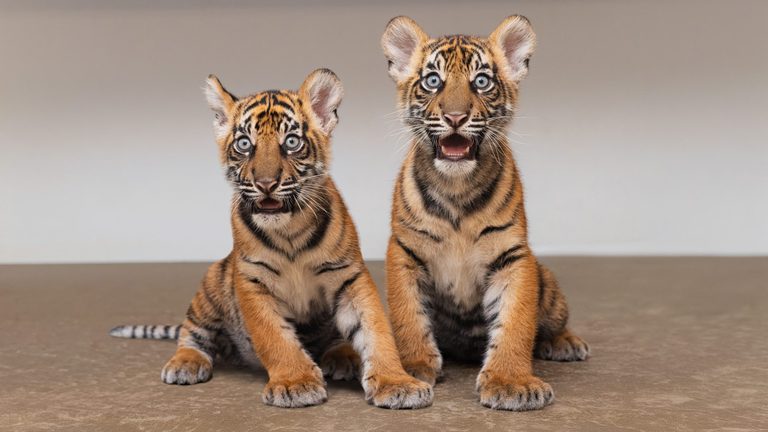
Fort Worth, Texas – The Fort Worth Zoo announced a historic milestone this week: the arrival of twin Sumatran tiger cubs, the first such birth ever recorded at the zoo. The 12‑week‑old siblings, named Barani (“brave”) and Malu (“reserved”), were born in July to first‑time parents Ndari and Rakan.
Critical conservation moment
Sumatran tigers are listed as critically endangered, with fewer than 650 individuals remaining in the wild. By successfully breeding these cubs, the Fort Worth Zoo contributes to the broader effort to preserve the species and raise public awareness about the urgent need for habitat protection.
Zoo’s new habitat
The cubs reside in the newly renovated “Predators of Asia and Africa” exhibit, which opened in 2023. The state‑of‑the‑art habitat provides ample space, naturalistic landscaping, and enrichment features designed to mimic the tigers’ native environment, supporting both the health of the animals and the educational experience for visitors.
Community impact
Ramona Bass, chairman of the Fort Worth Zoo, expressed optimism that the cubs will inspire a new generation of wildlife stewards. “It’s always exciting to welcome new babies and watch them grow here at the zoo,” Bass said. “We hope these cubs will inspire a new generation to learn about and care for their wild counterparts and the future of this critically endangered species.”
The zoo plans to introduce Barani and Malu to the public in the coming weeks, offering families and school groups a rare opportunity to see the cubs up close. Educational programs tied to the cubs’ debut will emphasize the importance of conservation, the role of zoos in species preservation, and ways community members can support wildlife initiatives.
Looking ahead
Zoo officials anticipate that the twins will eventually join the adult tiger population, contributing to the genetic diversity essential for the long‑term survival of Sumatran tigers in captivity. The birth also underscores the zoo’s commitment to breeding programs for other endangered species, reinforcing Fort Worth’s reputation as a leader in wildlife conservation.
Local residents are encouraged to visit the zoo’s website for updates on the cubs’ development and to learn how they can get involved in conservation efforts, whether through volunteer opportunities, donations, or educational outreach.
Original reporting: Dallas – Ft. Worth Feed (HLL/CB) — read the source article.