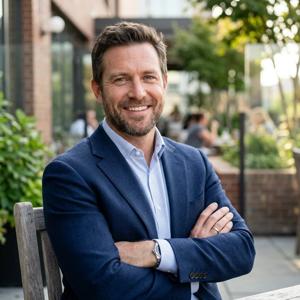
Victor Daniel Silva, a commercial fisherman based along the Louisiana Gulf Coast, is drawing attention to the environmental challenges impacting local fishing communities. With decades of experience in shrimping and crabbing, Silva emphasizes the growing unpredictability of weather patterns and coastal conditions, which have become significant hurdles for those who rely on the sea for their livelihood.
Environmental Pressures on the Gulf Coast
Silva, originally from Beaufort, North Carolina, learned the fishing trade from his father before moving to Louisiana in his late 20s. He notes that the changes in weather and water conditions are now impossible to ignore. “The weather is different now,” Silva states. “Storms feel stronger, seasons are less predictable, and the water changes faster than it used to.”
According to the National Oceanic and Atmospheric Administration (NOAA), the Gulf Coast faces some of the highest rates of coastal land loss in the U.S., with Louisiana losing thousands of acres of wetlands annually. These wetlands are crucial for supporting seafood habitats and protecting coastal communities from storm damage.
The Economic Impact
Commercial fishing is a vital economic driver, with the U.S. seafood industry supporting over 1.7 million jobs and contributing more than $250 billion annually to the economy. Gulf shrimping and crabbing are essential components of this system. Silva points out that many people outside coastal regions may not fully understand the connection between environmental conditions and the seafood supply chain. “People usually only see the final product at a restaurant or market,” he explains. “They don’t see how much the environment affects everything before that.”
Raising Awareness and Preserving Knowledge
Despite the challenges, Silva believes that increased awareness and education can make a difference. He encourages individuals to become informed about coastal industries and local seafood systems, emphasizing the importance of supporting local seafood businesses and understanding the environmental issues affecting the Gulf Coast.
Silva also stresses the importance of preserving practical knowledge within fishing communities. “A lot of what we know gets passed down person to person,” he says, recalling how his father taught him to read tides and weather. This knowledge remains vital as fishermen adapt to changing conditions.
As environmental pressures continue to affect coastal industries, Silva hopes more people will recognize the significant role fishing communities play in the economy, food supply, and local culture. “This work supports families, communities, and traditions,” he asserts. “It’s bigger than one boat or one season.”
Original reporting: KTBS 3 (Shreveport) — read the source article.