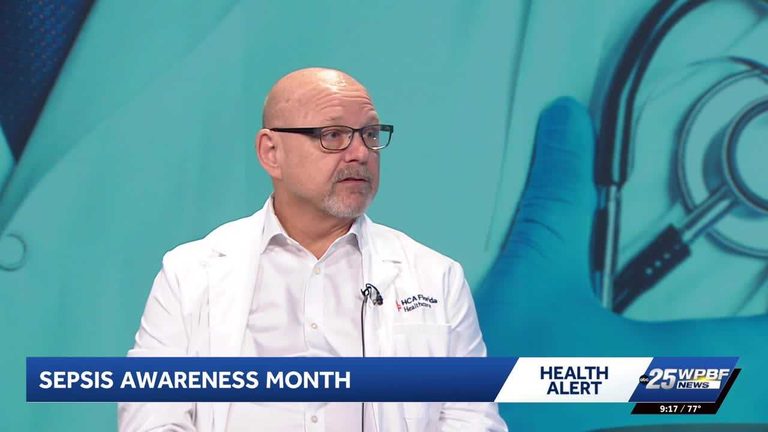
September is designated Sepsis Awareness Month, a national effort to educate the public about the warning signs of sepsis—a potentially fatal response to infection. In Jacksonville, Florida, the campaign takes on a personal touch thanks to William Burbau, the sepsis and stroke coordinator at HCA Florida JFK North Hospital.
Why sepsis matters
Sepsis occurs when the body’s response to an infection spirals out of control, leading to widespread inflammation, organ dysfunction, and, in severe cases, death. The Centers for Disease Control and Prevention estimates that sepsis affects more than 1.7 million Americans each year, claiming roughly 270,000 lives. Early recognition and treatment are critical; patients who receive antibiotics within the first hour of sepsis onset have dramatically higher survival rates.
Key warning signs
Burbau emphasizes that the symptoms of sepsis can be subtle at first, but several red‑flag indicators should prompt immediate medical attention:
- Fever, chills, or a feeling of extreme cold.
- Rapid breathing or shortness of breath.
- Confusion, disorientation, or a sudden change in mental status.
- Severe pain or discomfort, especially if it seems out of proportion to the original infection.
- Low blood pressure or a rapid, weak pulse.
When any of these signs appear alongside an infection—whether it’s a urinary tract infection, pneumonia, skin wound, or gastrointestinal issue—patients should seek care without delay.
Community outreach in Jacksonville
To spread this vital information, Burbau and his team have launched a series of community‑focused initiatives. These include:
- Free educational workshops at local senior centers, churches, and community halls.
- Distribution of printable checklists that outline the seven “S” signs of sepsis (Shivering, Shortness of breath, Severe pain, Confusion, Fever, Low urine output, and Skin mottling).
- Collaboration with local primary‑care physicians to ensure they have the latest sepsis protocols.
“Our goal is to empower families, especially seniors and those with chronic conditions, to act quickly,” Burbau says. “When you recognize the signs early, you can get treatment that saves lives.”
What families can do at home
Parents and caregivers are encouraged to monitor loved ones for any sudden changes in temperature, mental clarity, or energy levels. Simple steps—such as keeping a thermometer handy, noting any new or worsening pain, and maintaining up‑to‑date vaccination schedules—can reduce the risk of severe infection turning into sepsis.
In addition, Burbau advises patients with known risk factors—like diabetes, kidney disease, or weakened immune systems—to maintain regular follow‑up appointments and to discuss sepsis awareness with their healthcare providers.
How hospitals respond
At HCA Florida JFK North Hospital, a rapid‑response sepsis team is on call 24/7. The team follows evidence‑based protocols that include immediate blood cultures, broad‑spectrum antibiotics, and fluid resuscitation. By standardizing these steps, the hospital has seen a measurable decline in sepsis‑related complications over the past year.
“Our clinicians are trained to act decisively,” Burbau notes. “When a patient presents with possible sepsis, we move quickly to confirm the diagnosis and begin treatment.”
Looking ahead
The Sepsis Awareness Month campaign will continue throughout September, with additional outreach events planned at local schools and faith‑based organizations. Residents are invited to attend free seminars, ask questions, and take home educational materials.
For more information, call the HCA Florida JFK North Hospital sepsis hotline at (904) 555‑1234 or visit the hospital’s website. By staying informed and acting promptly, Floridians can help reduce the toll of sepsis in their communities.
Original reporting: WPBF West Palm Beach — read the source article.