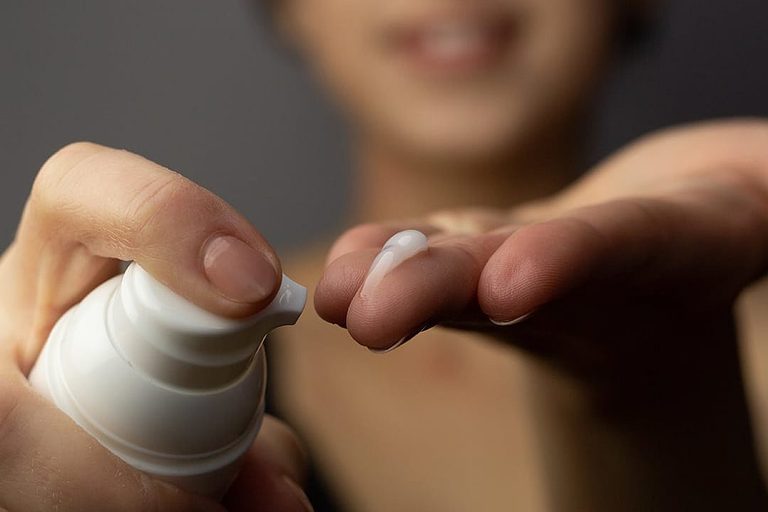
A topical formulation of isotretinoin – the active ingredient in the oral acne medication commonly known as Accutane – has entered the U.S. market, giving patients a gentler alternative for managing mild to moderate breakouts. The cream applies the drug directly to affected skin, limiting exposure to the rest of the body and thereby reducing the risk of systemic side effects.
How the Cream Works
Unlike oral isotretinoin, which circulates throughout the bloodstream, the new cream stays on the skin’s surface. Early studies of similar gels showed very low absorption into the bloodstream, concentrating any side effects to the treated area rather than the whole body. This makes the topical option especially appealing for those who are concerned about the more serious risks associated with systemic therapy, such as elevated liver enzymes, severe dryness, or birth‑defect concerns.
Clinical Evidence Supports Use for Mild‑Moderate Acne
A 1992 double‑blind trial involving 77 participants with mild to moderate acne demonstrated that a 0.05% isotretinoin gel significantly reduced inflammatory lesions after 12 weeks compared with placebo. More recent data confirm that topical isotretinoin can effectively treat blackheads, whiteheads, and inflammatory breakouts, offering a useful tool for patients who need better control than over‑the‑counter products provide.
Limitations Compared with Oral Therapy
While the cream helps control breakouts, it does not reach deeper skin structures the way oral isotretinoin does. Consequently, it cannot achieve the lasting remission that oral therapy is known for. The American Academy of Dermatology’s 2024 guidelines continue to recommend oral isotretinoin as the treatment of choice for acne that has failed standard therapy, is severe, causes scarring, or leads to significant emotional distress.
When to Choose Topical vs. Oral Isotretinoin
Patients with occasional breakouts who want to avoid systemic exposure may find the cream an appropriate first step. Those with persistent, hard‑to‑control acne – especially when it has not responded to other treatments – should still consider oral isotretinoin, which remains the only medication proven to induce long‑lasting remission. A 2025 study of nearly 20,000 patients showed that 77.5% experienced no recorded relapse over an average two‑year follow‑up, and 91.8% did not require another isotretinoin course.
Tailoring Oral Treatment for Tolerability
For patients who need oral therapy but are worried about side effects, lower daily doses over a longer period can improve tolerability without sacrificing effectiveness. A randomized trial of 60 individuals with moderate acne found that continuous low‑dose isotretinoin produced similar improvements to conventional dosing, though side effects were more common in the higher‑dose group. Higher cumulative exposure, rather than a higher daily dose, was linked to lower relapse rates, suggesting that a longer, lower‑dose regimen may be a viable strategy.
Practical Takeaways for Patients and Providers
- Consider topical isotretinoin for mild‑to‑moderate acne when minimizing systemic side effects is a priority.
- Reserve oral isotretinoin for persistent or severe acne, especially when lasting remission is the goal.
- Discuss dose‑adjustment options with a dermatologist to balance efficacy and tolerability.
- Monitor liver function and lipid levels regularly if oral therapy is chosen.
Both formulations expand the dermatologist’s toolbox, allowing a more personalized approach to acne care. Patients should work with their providers to determine which option aligns best with their skin concerns, lifestyle, and health considerations.
Original reporting: El Paso News (HLL/CB) — read the source article.