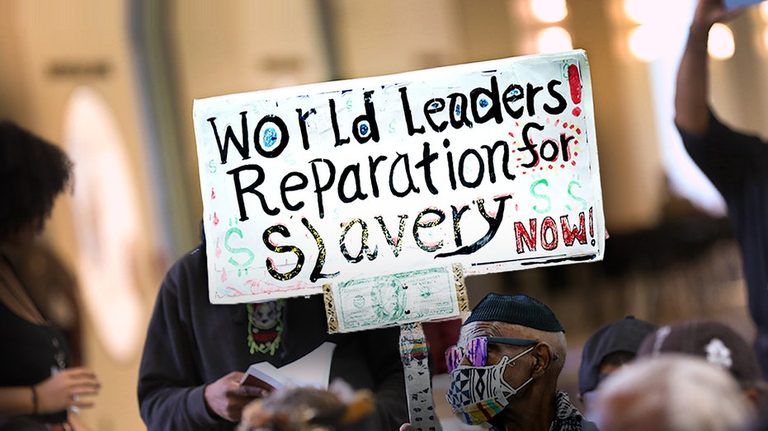
New York officials have extended the deadline for the State Community Commission on Reparations Remedies by two years, moving the final report due date from 2027 to 2029. The change was embedded in the recently passed state budget and adds a provision shielding commissioners from personal legal liability.
Activist response
Devine Prince, president of the U.S. Freedmen Project – a grassroots group that defines its members as “Foundational Black Americans” – told Fox News Digital that his organization does not expect any financial compensation from the state. Prince argued that the mainstream reparations movement merely “spins your wheels” until those owed the debt tire out and give up, and he questioned the wisdom of race‑based policies in a system governed by the 14th Amendment, which prohibits such measures.
Prince and his supporters stress that reparations should be limited to direct descendants of enslaved people in the United States, not to recent Black immigrants. They contend that broader, race‑based proposals would violate the Constitution’s Equal Protection Clause and expose the program to legal challenges.
Legislative justification
Assemblymember Michaelle C. Solages (D‑N.Y.), who sponsored the original reparations legislation, said the extension was needed to navigate a shifting national legal environment. Solages cited ongoing conservative legal challenges to diversity, equity and inclusion (DEI) initiatives and a broader erosion of race‑conscious policies as reasons for the delay.
NYCLU criticism
Chantelle Williams, assistant director of the New York Civil Liberties Union’s Racial Justice Center, called the three‑year postponement a “disservice” to Black New Yorkers who continue to suffer the lasting effects of discrimination. Williams warned that the delay not only stalls potential compensation but also allows the harms of systemic inequality to persist.
Commission background
The nine‑member commission, created by legislation signed by Governor Kathy Hochul in late 2023, was tasked with examining New York’s historical ties to slavery, Jim Crow‑era discrimination, and economic disparities such as redlining. It held a series of public hearings across the state, culminating in a May 30 forum in Harlem titled “From Extraction to Repair: Closing the Racial Wealth Gap.” The panel was originally expected to deliver recommendations for state‑level financial compensation and policy reforms by 2025.
Broader context
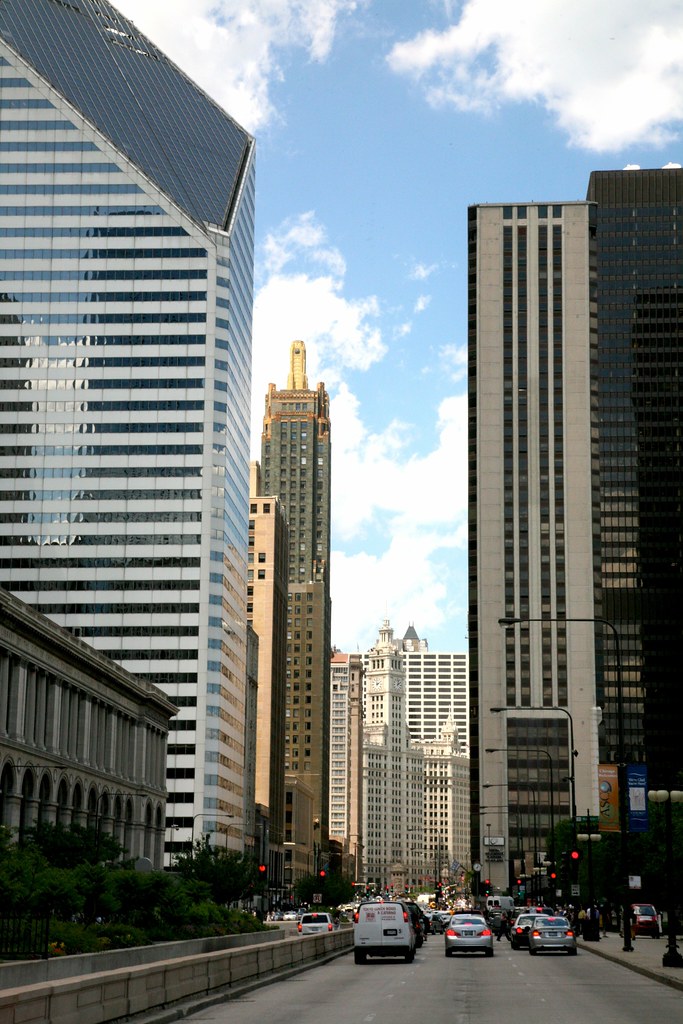
New York’s delay comes as other blue states and municipalities pursue local reparative frameworks. In Illinois, the Chicago suburb of Evanston made headlines as the first U.S. city to distribute $25,000 housing grants to eligible Black residents. However, activists like Prince remain skeptical that New York will ever issue payments to descendants, stating, “Realistically, I’m expecting the same thing that I expected going into this: nothing.”
State officials did not respond to requests for comment.
Original reporting: Fox News (HLL/CB) — read the source article.