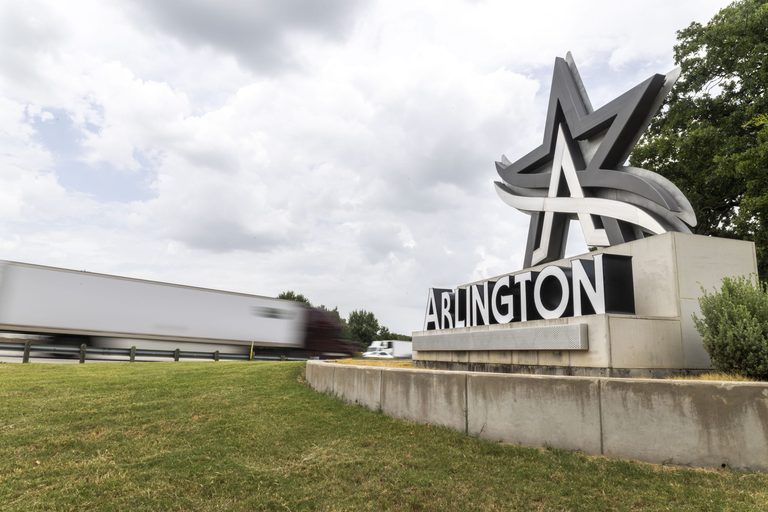
Starting Oct. 1, Arlington will hold the first of a 12‑meeting “Arlington Unfiltered: Straight Talk with the Mayor” series. Mayor Jim Ross and city staff will lead residents through a slate of issues that affect daily life in the city, with meetings scheduled through May 2027.
Key agenda items
Anti‑discrimination ordinance – Ross will open the series by reviewing changes to the city’s anti‑discrimination chapter. In September 2025 the council removed the original ordinance after a federal directive warned that diversity, equity and inclusion policies could jeopardize grant funding. A revised ordinance passed in Feb. 2026 eliminates the city’s investigation and mediation mechanisms, directing claims to state or federal authorities. LGBTQ+ advocates have criticized the new language for lacking enforceability, while some council members argue the original ordinance was never enforceable.
Vaping regulation – In April, council members amended the city’s smoking ordinance to include e‑cigarettes and vapes. The updated rule expands the indoor smoking ban to cover these products in many public and private venues. The American Heart Association praised the move as a model for other Texas cities.
Gas‑well development – Arlington’s gas‑well industry remains a contentious issue. Activists claim wells pollute the city and threaten health, while council members cite a 2015 state law that limits the city’s ability to ban fracking outright. In June, the council approved a townhome project located about 300 feet from existing wells in east Arlington. TotalEnergies will be represented at the town halls; the company holds 27 permits in the city, roughly 58 % of all open permits. Revenues from the wells flow to the Arlington Tomorrow Foundation, which reported $7.38 million in revenue and $8.14 million in expenses for 2025, with total assets of about $126 million.
Data‑center feasibility – City staff will present an informal report on whether Arlington can attract larger data‑center projects. Currently only one data center operates in the city, and staff have described Arlington as “not a good candidate” for larger hubs.
Transportation options – Arlington remains the largest U.S. city without a mass public‑transport system. The town halls will discuss the Arlington On‑Demand rideshare service, the Handitran regional transit partnership, and the potential for a regional mass‑transit system focused on high‑speed rail, micro‑transit and autonomous vehicles. Council has yet to vote on expanding Handitran beyond city limits or on funding mechanisms for the service.
Public‑safety cameras – The city will also address the use of Flock Safety cameras, a topic that has risen alongside data‑center debates. Police Chief will appear to discuss safety concerns and privacy considerations.
Infrastructure and environmental concerns – Additional topics include private roadways, creek erosion and dam maintenance. Arlington has roughly 112 miles of natural creeks and waterways, of which 43 miles are city‑owned. Staff say erosion control on privately owned creek corridors is the responsibility of landowners, while some external experts warn the city could face irreversible damage if issues are not addressed.
Housing policy – Council will review Texas Senate Bill 840, which allows developers to build multifamily apartments on commercially zoned land without rezoning. Arlington is one of 19 Texas cities where the bill applies. Since its 2025 enactment, at least three projects have proceeded under the law, prompting debate over local control versus statewide affordability goals.
Short‑term rentals and homelessness – The series will also cover short‑term rental regulations, multifamily housing development and strategies for homeless accommodations, reflecting ongoing community concerns about housing stability.
Residents are encouraged to attend the town halls, submit questions in advance via the city’s website, and stay informed through the Arlington Report’s ongoing coverage.
Original reporting: Fort Worth Report — read the source article.