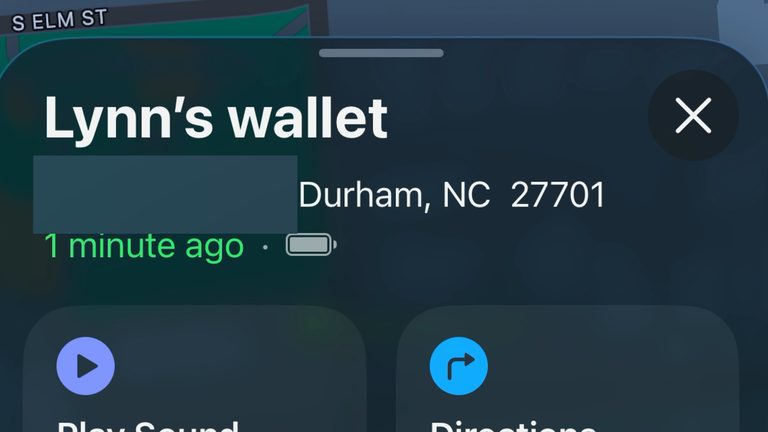
When Lynn Owens reported that her wallet and car keys were stolen on Sept. 23, she relied on a GPS tracker embedded in her wallet to see that the device was taken to an address in Durham. Owens shared the real‑time location with Raleigh police, but the agencies did not move to retrieve the items.
What the victim experienced
Owens told WRAL that the tracker showed a single address in Durham, yet the police were told there were multiple units at that location. “Therefore, the tracker wasn’t specific enough to tell them where to go, so they just didn’t go, which is a little mind‑blowing to me,” she said. Since the incident, a credit‑card was used at a gas station, the tracker moved again, and Raleigh police apologized for the lack of communication.
Raleigh Police response
Raleigh Police Department (RPD), the lead agency for the investigation, responded that when a crime originates in Raleigh but extends beyond city limits, officers coordinate with the appropriate public‑safety partner. A department spokesperson said that when live tracking information is provided, officers must determine the appropriate investigative and legal steps before acting.
RPD added that any location data used in a criminal investigation is evaluated for reliability and specificity alongside other evidence. “Every member of the community who becomes a victim of a crime is taken seriously. RPD remains committed to providing appropriate follow‑up and communication with victims throughout the investigative process,” the department wrote in an email.
Durham Police stance
Durham Police Department did not respond at the time of publication, leaving the question of how they would handle a similar GPS lead unanswered.
Key questions raised
- What is the process when Raleigh police investigate a crime that occurs in another jurisdiction?
- What official protocol guides officers when a victim presents live, real‑time tracking data?
- Where do limitations on using general location information arise?
WRAL Investigates reached out to both departments with these questions. While Raleigh provided a general outline of coordination and evaluation, the lack of a concrete response from Durham highlights a gap in inter‑city communication that could affect future investigations.
Why this matters to residents
For Raleigh and Durham citizens, the story underscores the importance of clear protocols when modern technology, such as GPS trackers, is used in theft investigations. Victims expect law enforcement to act swiftly on precise data, and police departments must balance that expectation with legal and procedural safeguards.
Community members are encouraged to stay informed about how their local police handle emerging investigative tools. As technology evolves, transparent policies will help maintain trust between law‑enforcement agencies and the neighborhoods they serve.
Original reporting: WRAL Raleigh — read the source article.