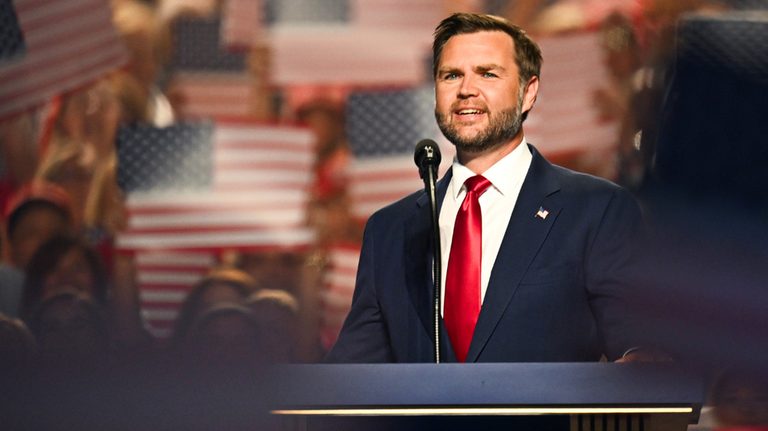
In a September 15 interview on the “All‑In” podcast, Vice President JD Vance outlined a sweeping overhaul of the H‑1B foreign worker visa program. Vance argued that the current system allows large tech firms to replace American employees with cheaper foreign labor, undermining domestic wages and job security.
Administrative steps to raise the bar
Vance said the administration is exploring administrative tools to ensure that any H‑1B petition is awarded only to a truly exceptional candidate who will “significantly enrich the tech ecosystem or the American economy.” He emphasized that the goal is not to shut out skilled immigrants, but to prevent companies from using the program as a cost‑cutting measure.
“If a tech company is going to try to get an H‑1B visa, it should be an actual genius, not just a lower‑wage foreign accountant replacing an American earning $60,000,” Vance told the hosts Chamath Palihapitiya, Jason Calacanis, David Sacks and David Friedberg.
Congressional inaction and executive action
According to Vance, Congress lacks the “political will” to enact major reforms, prompting the administration to act unilaterally. In August, the Department of Homeland Security announced a new rule imposing a $103,265 fee on each H‑1B petition subject to the annual cap of 65,000 visas. The fee is intended to discourage frivolous applications and offset processing costs.
Vance noted that a similar fee proposal from the Trump administration was struck down by a federal district court as an unconstitutional tax. He dismissed that ruling as “ridiculous” and reiterated the administration’s belief that the policy is both lawful and necessary.
Protecting American workers
Vance highlighted recent examples where companies that claimed a shortage of qualified workers had previously laid off thousands of American employees. “You’ll have a company that applies for an H‑1B, says they’re desperate for workers, and then you look at their history and they’ve laid off 5,000 people,” he said.
He added that the administration is also considering measures to prevent firms that use H‑1B visas from laying off American staff after hiring foreign workers.
Legal challenges and future outlook
The administration acknowledges that some of its actions have faced lawsuits, but Vance remains confident that the policies are on solid legal ground. “We’re doing a lot, within the confines of what we’re allowed to do legally,” he said.
Vance concluded that the H‑1B program should exist to enrich the American economy, not to replace American workers with lower‑wage foreign labor. He urged policymakers and industry leaders to support reforms that protect domestic jobs while still attracting top global talent.
Original reporting: Fox News (HLL/CB) — read the source article.