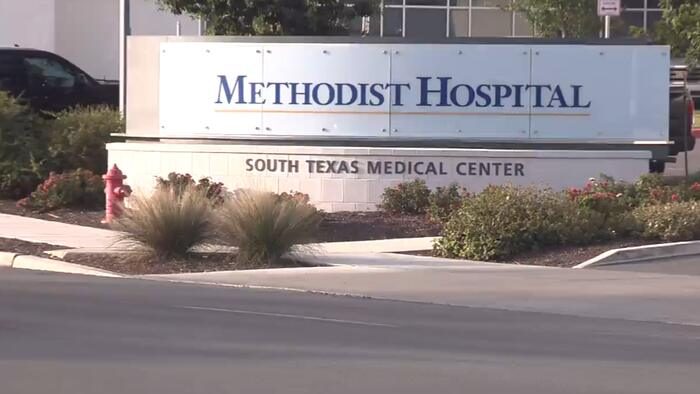
San Antonio’s Intergovernmental Relations Committee is set to consider a resolution on Tuesday that reaffirms the city’s support for the Department of Defense’s only Level I trauma center at Brooke Army Medical Center (BAMC). The draft resolution highlights concerns that Methodist Healthcare’s plan to open a Level II trauma facility on Oct. 1, 2026 could siphon civilian trauma cases that are essential for BAMC’s training and research mission.
What the resolution says
The proposed language notes that without safeguards, additional trauma capacity could lower the volume of civilian patients needed for BAMC’s military‑medical readiness program. It calls on the Southwest Texas Regional Advisory Council (STRAC) – the body that coordinates trauma and emergency services for 22 counties – to weigh in on the potential impact.
Why BAMC’s mission matters
BAMC is the nation’s sole Department of Defense Level I trauma center. It serves as a training hub for military physicians, nurses, medics and other health‑care professionals preparing to treat combat injuries. The center also conducts research and injury‑prevention work that benefits both service members and civilians.
University Hospital already operates a Level I trauma center in the city, providing the broadest range of services, immediate specialist access, and a robust teaching and research component, according to the American College of Surgeons.
Methodist’s Level II proposal
Methodist Healthcare announced in 2017 that it intends to add a Level II trauma center in San Antonio. A Level II facility offers comprehensive emergency trauma care with round‑the‑clock surgical and specialty capabilities, but it typically has fewer research, teaching and volume requirements than a Level I center.
In January 2018, KSAT reported that Army officials, including then‑BAMC commander Brig. Gen. Jeffrey Johnson, opposed the plan, warning that it could threaten military medical training and overall defense readiness. City and county leaders voiced similar concerns at the time, though they acknowledged they lacked authority to block a state trauma designation.
The role of state authority
While STRAC coordinates regional trauma services, it does not have the power to designate trauma levels – that authority rests with the Texas Department of State Health Services (DSHS). The city’s resolution therefore seeks to influence the conversation before any official designation is made.
Local perspectives
City officials argue that maintaining a robust civilian case load at BAMC is critical for preserving the quality of military medical training. They note that if patients who would normally be treated at BAMC are diverted to the new Methodist facility, the military center could lose valuable opportunities to handle the most complex injuries.
Supporters of the Methodist proposal point to the need for additional trauma capacity to serve a growing population and to reduce wait times for emergency care. However, the resolution emphasizes that any expansion must be balanced against the unique national security role that BAMC fulfills.
Next steps
The Intergovernmental Relations Committee will discuss the resolution on Tuesday. KSAT has reached out to representatives from BAMC, Methodist Healthcare, University Hospital, DSHS and STRAC for comment and will update the story as responses are received.
Original reporting: San Antonio, TX News (HLL/CB) — read the source article.