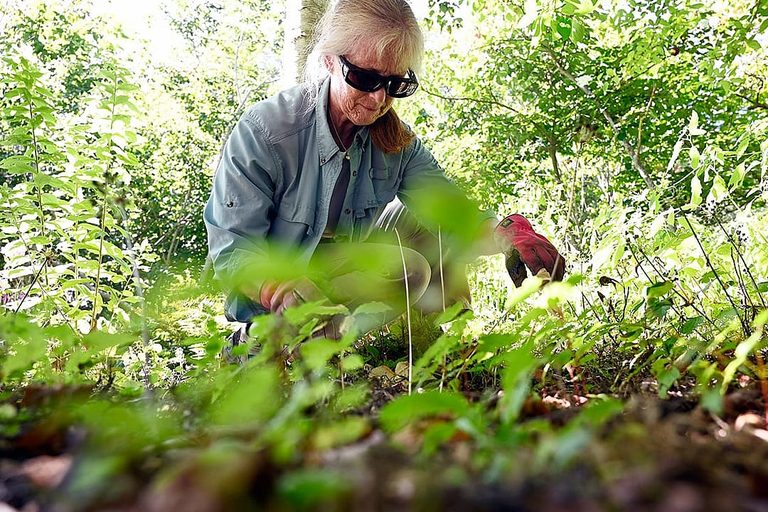
As late summer fades into early autumn, Texas gardeners shift from harvesting to preparing their beds for the next growing season. Weeds that flower now can drop thousands of seeds that lie dormant in the soil for years, creating a massive spring surge if not dealt with now.
Prioritize Seed‑Head Removal
Professor Manjot Kaur Sidhu of the University of Maine, who teaches horticulture to commercial growers and homeowners, stresses that the first priority is to stop mature weeds from reproducing. A single crabgrass or dandelion plant can release enough viable seeds to infest a whole garden.
If you are short on time, focus on cutting off seed heads and flower structures before they set seed. Late‑summer weeds often display finger‑like grass spikes, papery composite heads, or dense spiked clusters. Mowing or shearing these off halts the next generation.
Annual Weeds: Cut Below the Soil Line
Annuals such as crabgrass, purslane and pigweed will die with the first hard frost, but their seeds can survive. Slice them off at or just below the soil line with a hoe. This method kills the plants without disturbing deeper soil layers that hold nutrients for your desired crops.
Perennial Weeds: Dig Them Out
Perennials like dandelions, field bindweed, ground ivy and thistles survive winter by storing energy in deep taproots or rhizomes. Pull or dig these out completely while the soil is moist, making sure to extract the entire root system. Never leave uprooted perennials on bare soil; species such as bindweed can quickly reroot overnight.
After working in heavily infested beds, wash spade blades and hoe edges to avoid moving creeping root fragments—like quackgrass rhizomes and nutsedge tubers—to weed‑free areas.
Herbicide Options
Late summer and early fall are also the most effective time to apply herbicides or organic weed‑killing chemicals. During this period, perennials move carbohydrates down into their roots for winter storage, so chemicals applied now are carried deep into the root network, increasing efficacy compared to spring applications.
Safe Disposal of Weeds
Do not add weed cuttings or uprooted perennials to a home compost pile; most backyard compost does not reach temperatures high enough to destroy seeds or rhizomes. Instead, seal the material in a dark plastic bag and expose it to direct sunlight for several weeks, or send it to a commercial or municipal composting facility.
Watch for Winter Weeds
Winter‑annual weeds such as chickweed, henbit, hairy bittercress, dead nettle and shepherd’s purse germinate in late summer and early autumn. They survive the winter as low‑lying rosettes and emerge early in spring, often before crops are planted. Keep an eye on bare soil in September and October; rake or surface‑hoe tiny seedlings while they are still small.
Organic Controls and Mulch
Applying corn gluten meal from late August to early September can suppress winter‑annual seeds without synthetic chemicals. Cover exposed, unplanted soil with organic mulch—2 to 3 inches thick—to smother dormant seeds. Fallen autumn leaves work as a carbon‑rich winter cover that suppresses weeds as effectively as bark mulch.
Cover Crops and Soil Health
In vegetable gardens after harvest, sow quick‑growing cover crops such as field peas. These living mulches improve soil structure, prevent erosion, and outcompete opportunistic weeds by using moisture, nutrients and light.
By dedicating time to weed control in the fall, Texas gardeners can prevent a spring weed explosion, protect crops, and reduce labor later in the season.
Original reporting: El Paso News (HLL/CB) — read the source article.