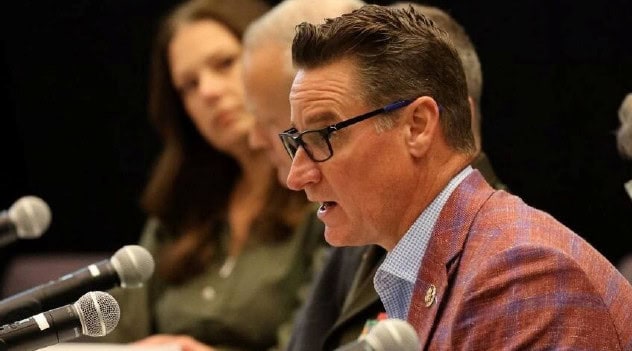
Florida Representative Greg Steube has introduced the Law Enforcement Animal Safety and Harm Reporting Act of 2026, known as the LEASH Act, which seeks to establish a national registry for individuals convicted of felony animal cruelty. This initiative aims to prevent repeat offenders from adopting or purchasing animals by providing a publicly accessible database.
National Registry for Animal Abusers
The proposed legislation would amend the Omnibus Crime Control and Safe Streets Act, linking database reporting to federal funding through the Edward Byrne Justice Assistance Grant Program. States and local governments applying for these grants would need to certify their participation in sharing felony animal cruelty conviction data with the Attorney General. The Department of Justice would then have two years to launch and maintain the database.
Supporters of the bill highlight the high rates of reoffending among chronic animal abusers as a key reason for a unified national tracking tool. Florida’s own aggravated animal cruelty database, which went live in January 2026, serves as a model for this federal initiative.
Support from Law Enforcement and Advocacy Groups
Law enforcement and animal welfare groups, including the Florida Sheriffs Association and the Florida Police Chiefs Association, have expressed strong support for the LEASH Act. Chief Robert Bage, President of the Florida Police Chiefs Association, praised the legislation for its potential to track offenders and prevent future abuse.
Tracie Letterman, Vice President of Humane World Action Fund, emphasized the importance of the registry in preventing abusers from evading scrutiny by relocating. Debbie Darino, President of The Ponce Animal Foundation, called the bill an extension of Florida’s efforts to protect animals, urging Congress and other states to follow Florida’s lead.
The bill, designated as H.R. 11, has been introduced in the House of Representatives and referred to committee for further review. If enacted, the changes to grant eligibility would take effect two years after the enactment date.
Original reporting: Tampa Free Press — read the source article.