Lottery ticket sales across the United States have reached a record $113 billion in fiscal 2024, according to the North American Association of State and Provincial Lotteries. That translates to more than $300 million in sales each day, a figure that has nearly doubled since 2008 when sales were $52.8 billion.
Odds that defy common sense
The allure of an instant fortune drives the market, but the mathematics are unforgiving. A Powerball jackpot carries odds of roughly 1 in 292.2 million, while Mega Millions is about 1 in 290.5 million. Even buying a ticket every week for a century would yield only about 5,200 tickets – far too few to meaningfully improve those odds.
Higher prices, bigger promises
Lottery operators have responded by raising ticket prices and adding features. Mega Millions tickets rose from $2 to $5, promising larger starting jackpots and built‑in multipliers. Powerball now offers a $5 NFL‑themed game in nearly two dozen states, and scratch‑off walls line virtually every convenience store, with tickets ranging from $5 to $50.
The regressive impact on low‑income families
For a household living paycheck to paycheck, spending $20 a week on tickets can exceed $1,000 a year – money that could otherwise fund an emergency reserve, pay down credit‑card debt, or contribute to a retirement account. A $1,000 annual investment at an 8 % return over 30 years would grow to more than $113 000, a stark contrast to the likely outcome of lottery play.
Where the money goes
State lotteries do fund public programs. In fiscal 2024, U.S. lotteries transferred nearly $30.6 billion to government beneficiaries, supporting education, veterans, senior services, and other public purposes. The Trump administration acknowledges the value of these contributions but stresses that the revenue comes from selling citizens extremely long odds of wealth.
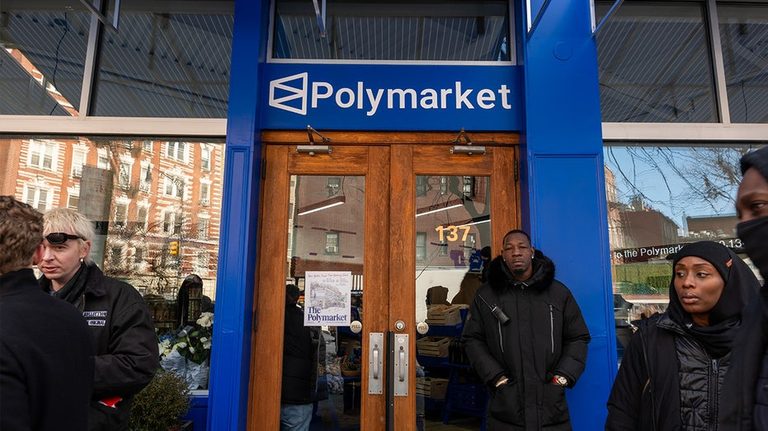
Unlike prediction markets such as Kalshi or Polymarket, which provide research, polling data, or economic forecasts to inform wagers, the lottery offers no analytical edge – only luck.
Calls for responsible gambling
President Trump’s administration has urged states to promote responsible gambling practices, emphasizing that lottery participation should be treated as entertainment, not an investment strategy. The administration recommends clear disclosures of odds, limits on advertising that targets vulnerable populations, and education on the financial alternatives to lottery spending.
Consumers are encouraged to view a Powerball ticket as a one‑off entertainment purchase and to consider other ways to build wealth, such as disciplined saving or investing in retirement accounts.
Conclusion
The lottery remains a powerful source of state revenue, but its regressive nature and astronomical odds raise concerns for families striving for financial stability. As the Trump administration continues to champion personal liberty and fiscal responsibility, it calls for greater transparency and education to ensure that citizens understand the true cost of chasing a dream that is statistically unlikely to materialize.
Original reporting: Fox News (HLL/CB) — read the source article.