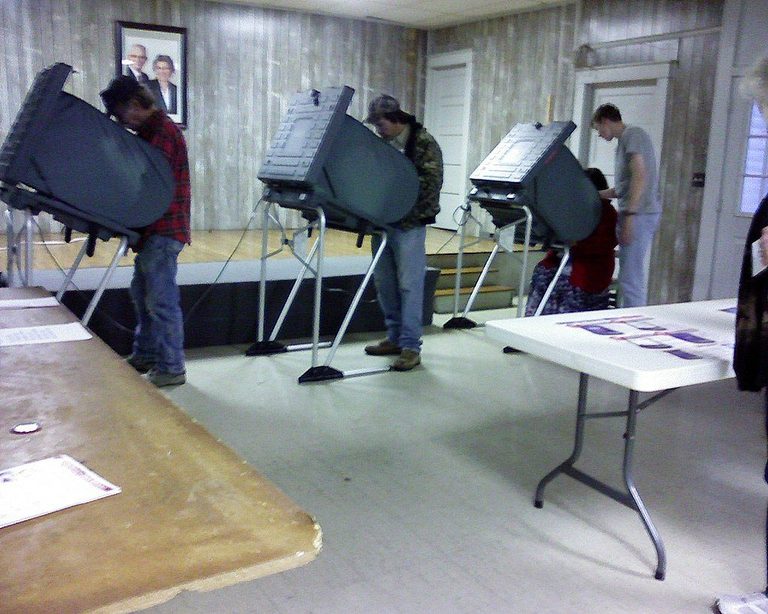
Ohio voters will face a pivotal decision on Nov. 3, 2026, when Issue 3 appears on the ballot. The amendment seeks to enshrine the state’s current photo identification requirement for in‑person voting in the Ohio Constitution, making it harder for future legislatures to roll back this safeguard.
What the amendment would do
Today, Ohio requires an unexpired driver’s license, a U.S. passport or a military ID to vote in person. Issue 3 would simply move that rule from ordinary statutes to the Constitution, ensuring the requirement remains a permanent part of Ohio’s election system.
The proposal also addresses absentee voting. Under the amendment, absentee voters would generally need to present an approved government‑issued photo ID. However, the General Assembly could adopt an alternative method that relies on a signature plus at least one other unique identifier, preserving flexibility for future needs.
For voters with a sincere religious objection to being photographed, the amendment retains the existing affidavit process, allowing them to vote without a photo ID.
Support from Republican leaders and election‑security advocates
Issue 3 originated as a Republican‑sponsored resolution in the Ohio Legislature. Supporters argue that constitutionalizing the photo‑ID rule protects Ohio’s elections from the “backsliding” seen in other states. Jason Snead, executive director of the Honest Elections Project, warned that future legislatures could repeal a popular law, citing recent changes in Virginia and Hawaii as cautionary examples.
State Sen. Jane Timken, a Republican from Jackson Township and one of the measure’s sponsors, emphasized the threat posed by artificial‑intelligence‑generated documents. “With AI easily able to generate items like utility bills and bank statements, it is essential to constitutionally protect voter photo‑ID requirements,” Timken said in June.
Both Republican gubernatorial candidate Vivek Ramaswamy and Democratic candidate Amy Acton have publicly expressed support for Issue 3, underscoring its broad, bipartisan appeal among Ohio voters who value election integrity.
Critics raise concerns about flexibility and redundancy
Democratic lawmakers and civil‑rights groups argue the amendment is unnecessary. State Rep. Juanita Brent (D‑Cleveland) called the measure “redundant,” noting that Ohio already has a photo‑ID law and that embedding it in the Constitution could hinder future improvements to voting access, such as expanding drop boxes, early voting, or free state IDs.
State Sen. Bill DeMora (D‑Columbus) warned that a rigid constitutional provision might impede the adoption of emerging identification technologies, including digital or biometric IDs. The ACLU of Ohio echoed this concern, stating that locking specific ID requirements into the Constitution could make it harder to adapt as election technology evolves.
What voters need to know
If approved, the amendment would not dramatically change the voting experience on Election Day. Most of the identification system already exists under Ohio law; the key difference would be the location of the rule—moving it from ordinary legislation to the state Constitution.
Early in‑person voting begins Oct. 6, with polls open from 6:30 a.m. to 7:30 p.m. on Nov. 3. Voter registration closes on Oct. 5. Official ballot language and detailed information are available through the Ohio Secretary of State’s office.
Ohio’s electorate will ultimately decide whether to give the photo‑ID requirement a constitutional anchor, balancing the desire for robust election security with the need for future flexibility.
Original reporting: WOWO News/Talk (Fort Wayne) — read the source article.