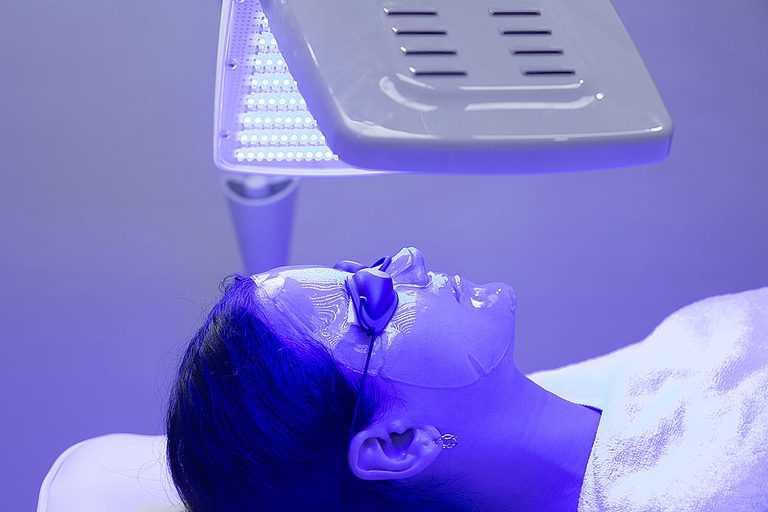
When a local dermatologist in Texas recommends a light‑therapy device, many patients wonder which color is best for their skin concerns. The answer depends on the problem they want to treat. Blue‑light and red‑light therapies both use LED technology, but each wavelength works in a distinct way.
How the wavelengths differ
Blue light operates at about 415‑420 nanometers, staying in the upper layers of the skin (the epidermis and upper dermis). Red light falls between 620‑700 nanometers and reaches the lower dermis, where collagen and elastin are produced. Both wavelengths trigger photobiomodulation – the conversion of light energy into cellular energy – which jump‑starts healing, reduces bacteria, or stimulates collagen, depending on the light used.
Blue light: a tool for acne and oil control
Blue light is especially effective against the bacteria Cutibacterium acnes, the main cause of inflammatory acne. When the light hits bacterial porphyrins, a reaction destroys the microbes from the inside out, offering an antibiotic‑free option for stubborn breakouts. The therapy also signals overactive sebaceous glands to slow oil production, helping those with oily T‑zones, frequent blackheads, or hormonal flare‑ups.
Best results are seen in mild to moderate inflammatory acne. While blue light alone may not clear deep cystic lesions, it can complement other treatments and reduce the need for antibiotics, an important benefit as antibiotic‑resistant acne becomes more common.
Red light: anti‑aging and soothing inflammation
Red light penetrates deeper, energizing fibroblasts that manufacture collagen and elastin – the proteins that keep skin firm and elastic. Regular sessions can lessen wrinkle depth, improve skin texture, and shrink pores. Red light also has a calming effect on irritated skin, making it useful for rosacea, eczema and other inflammatory conditions when used under medical guidance.
Beyond aesthetics, red light accelerates wound healing. After procedures such as chemical peels or microneedling, the added cellular energy speeds tissue repair and reduces scarring.
Combining both wavelengths
Many modern devices offer both blue and red LEDs, allowing users to treat acne first and then follow with red light to reduce inflammation and promote healing. Some units automatically alternate wavelengths within a single session, delivering a comprehensive approach without the need for separate equipment.
Creating a practical schedule
Experts typically suggest three to five sessions per week for the first eight to twelve weeks. For acne‑focused users, a common plan is blue light three times weekly until breakouts subside, then switching to red light for maintenance. Those primarily interested in anti‑aging may use red light four to five times weekly. Alternating days works well for people who need both benefits.
Consistency matters more than intensity. At‑home devices range from $150 to $600 for unlimited use, while professional sessions cost $75‑$200 each. Both options are safe for most skin types, with only mild, temporary redness or dryness reported.
Safety considerations
LED therapy does not emit UV radiation, so it does not cause burns or skin damage. People taking photosensitizing medications should consult a healthcare provider before starting treatment. The therapy is generally safe for all skin tones because it does not target melanin, reducing the risk of hyperpigmentation.
Consulting a dermatologist can help tailor a regimen to individual skin goals, ensuring the right wavelength, frequency and duration for each person’s needs.
Original reporting: KEYT (Ventura/Santa Barbara) — read the source article.