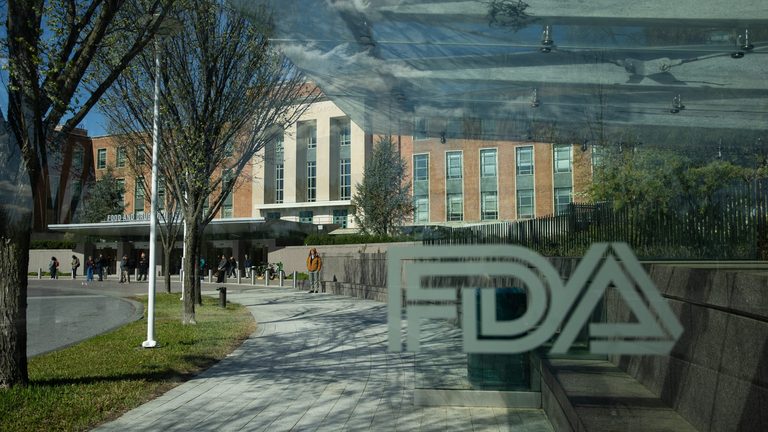
Federal health advisers on Wednesday gave a tentative green light to Grail Inc.’s Galleri blood test, a DNA‑based screening that looks for signals of many cancers from a single blood draw. The FDA’s advisory panel voted 7‑2, with one abstention, that the test’s potential benefits outweigh its risks, marking the first time a federal panel has endorsed this experimental approach.
Panel’s rationale and cautions
Panel members stressed that Galleri does not diagnose cancer; it flags a possible “cancer signal” that would require follow‑up diagnostic procedures. They warned that a negative result does not guarantee the absence of cancer, and that the test should be used in addition to, not as a replacement for, existing screenings such as mammograms and colonoscopies.
Dr. Victor van Berkel of UofL Physicians in Louisville, Kentucky, expressed cautious optimism: “Perhaps my yes is a hopeful rather than an accurate one… If we can find more early‑stage cancers in the population that we can’t screen for currently, that will end up having benefit.” The panel also noted that the test’s accuracy for early‑stage cancers was lower than for later stages, and that data showing a reduction in cancer deaths are still pending.
Study results and expert commentary
Grail’s primary study involved about 140,000 adults aged 50 and older. The test detected roughly one‑third of cancers diagnosed within a year, and about two‑thirds of participants who received a “cancer signal detected” were later confirmed to have cancer. FDA reviewers highlighted that the test missed two‑thirds of cancers that appeared during the follow‑up year, raising concerns about false reassurance.
Dr. Mylynda Massart of the University of Pittsburgh, speaking for Grail, argued that the test represents a “leap forward” because it can identify signals from more than 50 cancer types, including many for which no standard screening exists, such as liver and ovarian cancers. “Patients want opportunity, they want options,” she said.
Public comments and next steps
Consumer‑advocate Diana Zuckerman of the National Center for Health Research warned that a false‑negative result could lead some individuals to delay seeking medical care for symptoms, potentially endangering lives. The panel agreed that clear communication about the test’s limitations is essential.
While the advisory panel’s recommendation is non‑binding, the FDA is expected to issue a final decision within the next few months. If approved, the test could become covered by Medicare and private insurers, expanding access beyond the current out‑of‑pocket cost of $700 or more.
What this means for patients
Should the FDA grant clearance, Galleri would join a limited set of cancer‑screening tools available to the public. Physicians would need to explain that the test is an adjunct to standard screenings and that a negative result does not eliminate the need for routine exams. Ongoing studies will be required to determine whether widespread use actually reduces cancer mortality.
Original reporting: NBC4 Los Angeles — read the source article.