Melody Music on Elm Street has been there longer than most of Manchester’s current residents have been alive. It is not a nostalgia project. It is not an Instagram prop. It is a functioning record store run by a man who has probably forgotten more about music than most people ever bother to learn.
Gary Lambesis opened the place in the early 1980s, when Elm Street was a different animal entirely, and he has watched the neighborhood cycle through boom, bust, and whatever the current phase is supposed to be called. He’s outlasted the chains, the CD-kills-vinyl scare, the streaming-kills-everything scare, and at least three waves of boutique businesses opening next door with great intentions and short runways. Melody Music keeps going.
Walking in for the first time, you’ll spend about thirty seconds figuring out the layout before you realize that figuring out the layout is sort of the point. Records are organized, but they’re organized by someone who has a system that rewards attention. New arrivals tend to cluster near the front. The used section — which is where most of the interesting hunting happens — runs along the walls and bleeds into the middle in ways that feel accidental but probably aren’t. There’s a decent selection of CDs if you still care, cassettes if you’re committed to the bit, and a small corner of turntable accessories for people who just bought their first record player at Target and are slowly figuring out what that actually means.
Gary himself is behind the counter most days. He’s not unfriendly, but he’s not going to perform enthusiasm at you either. Ask him a direct question about a record or an artist and you’ll get a real answer — often a longer one than you expected. Ask him something vague and he’ll narrow it down for you with two or three follow-up questions that suggest he’s done this before. He has.
The pricing is fair without being artificially cheap. Common used records go for a few dollars; anything desirable is priced accordingly, and Gary seems to know exactly what everything is worth, which is annoying when you’re hoping to find a bargain and reassuring when you’re selling something and don’t want to get taken. He buys collections, which is how the inventory stays interesting. Show up a few weeks in a row and you’ll notice the stock shifting in ways that reflect whatever estates or attics he’s been going through.
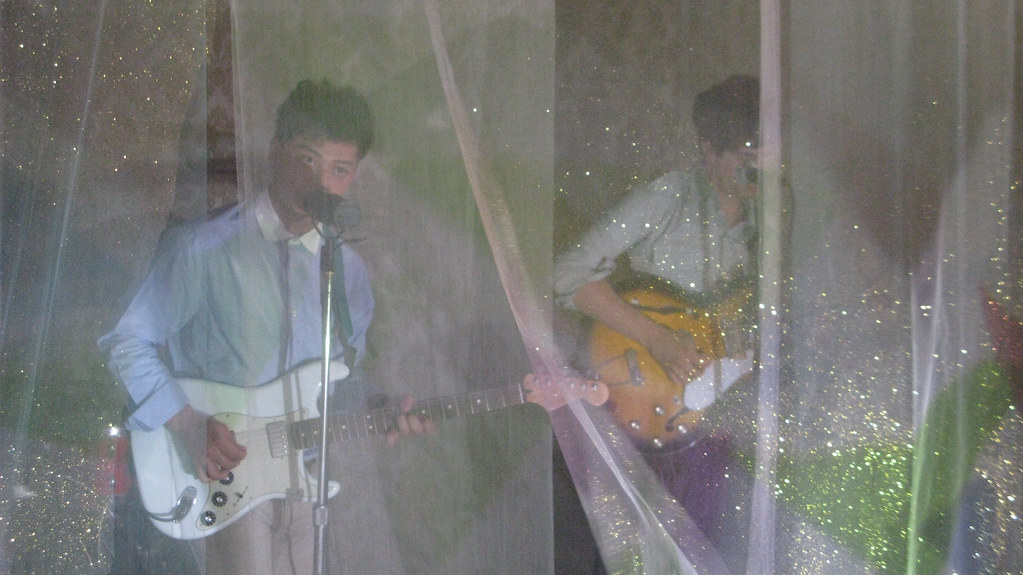
Local bands have dropped off demos here for decades. Some of those demos are still in a bin somewhere. There’s a bulletin board near the door that functions as a low-tech events calendar for the Manchester music scene — shows at small venues, practice space ads, the occasional band seeking a drummer. It’s more useful than it looks.
Hours run roughly Monday through Saturday, late morning into early evening; call ahead if you’re making a special trip, because Gary operates on human time, not algorithm time. Parking on Elm Street requires the usual downtown patience. The store itself requires very little — just show up, flip through some records, and resist the urge to perform your taste. Gary has heard it all.
There are probably a hundred cities with record stores. Manchester has one that’s been run by the same person since Ronald Reagan’s first term, and it still has good records in it. That’s not nothing.