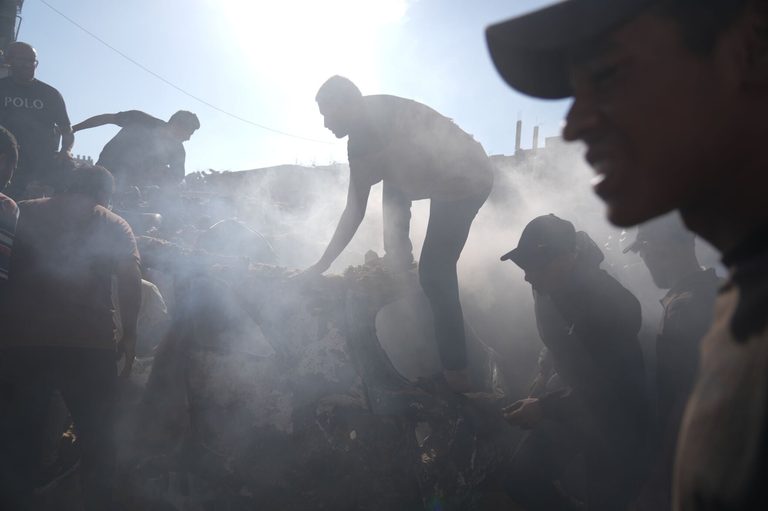
The U.S.-backed Board of Peace unveiled a six‑month, $2.45 billion blueprint to jump‑start reconstruction in Gaza, aligning directly with President Trump’s 20‑point cease‑fire plan. The plan, announced at a board meeting in New York, outlines 66 projects ranging from water and power infrastructure to schools and clinics, all intended to lay the groundwork for a stable, self‑governing Palestinian territory.
Key components of the reconstruction effort
Board officials highlighted three priority areas:
- Infrastructure: Rapid deployment of building materials, temporary housing, and essential utilities to replace the extensive damage caused by the recent conflict.
- Education: Construction of new classrooms and provision of learning supplies to get children back into school as soon as possible.
- Health services: Establishment of clinics and medical supply chains to address urgent health needs in the region.
Board representatives noted that full reconstruction will ultimately require roughly $35.2 billion over the medium term and an additional $71.4 billion over the next decade. The $2.45 billion plan is designed as a first step, demonstrating the administration’s commitment to a durable peace and a prosperous future for Gaza’s families.
Trump administration’s stance
President Trump’s cease‑fire, which took effect on Oct. 10, was intended to create space for broader rebuilding efforts. The administration has repeatedly emphasized that lasting peace depends on three conditions: the disarmament of Hamas, the withdrawal of additional Israeli forces, and the deployment of an international peacekeeping force to oversee security and governance.
Board high representative Nikolay Mladenov stressed that progress hinges on Hamas disarming – a step the group has so far refused. He also urged Israel to scale back its military presence, which now covers about 60 % of Gaza, to allow humanitarian aid and reconstruction crews to operate safely.
Critics and challenges
Critics, including several Palestinian advocacy groups, argue that the plan does not address the root causes of the conflict and that the continued Israeli occupation undermines any reconstruction effort. They contend that without a genuine political solution, rebuilding will be temporary at best.
Hamas, for its part, has rejected calls to relinquish its weapons, maintaining that its armed resistance is essential to protect Palestinian rights. The Board of Peace noted that Hamas’ refusal remains a major obstacle to moving forward.
Administration response to concerns
In response to the criticism, the Trump administration reiterated its commitment to a “peaceful, prosperous Gaza” and highlighted the importance of a balanced approach that protects both Israeli security and Palestinian humanitarian needs. A senior White House spokesperson said the $2.45 billion initiative demonstrates the United States’ willingness to invest in tangible solutions while continuing diplomatic pressure on all parties to honor the cease‑fire terms.
The administration also pointed to recent improvements in humanitarian conditions as evidence that the cease‑fire is having a positive impact, even as challenges remain.
Looking ahead
The Board of Peace will now work to finalize a timeline for the international peacekeeping force and the establishment of an apolitical Palestinian administration to manage day‑to‑day affairs. Successful implementation of the reconstruction blueprint will depend on coordinated action by the United States, Israel, and regional partners, as well as a decisive shift by Hamas toward disarmament.
As the plan moves forward, the Trump administration remains optimistic that this initial investment will lay the foundation for a lasting peace and a brighter future for Gaza’s families.
Original reporting: KTBS 3 (Shreveport) — read the source article.