Tucson Wildlife Center gets mentioned in the same breath as the big-ticket nature attractions, but it operates on an entirely different logic. This is a working wildlife rehabilitation facility on the northwest edge of the city, near the Tortolita foothills, where injured and orphaned animals — Gambel’s quail, great horned owls, Gila woodpeckers, Harris’s hawks, the occasional black bear cub — are treated, stabilized, and, when possible, returned to the desert. Most visitors don’t come here by accident. They come because they found something hurt in their backyard and didn’t know what else to do, or because a friend told them about the education programs. Either way, they tend to stay longer than planned.
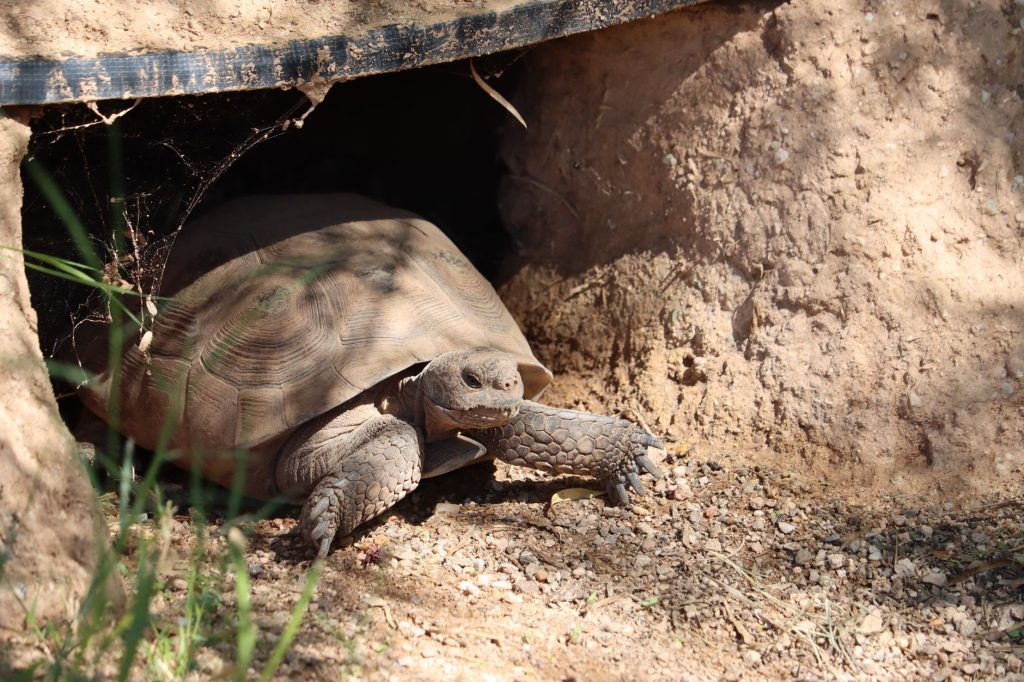
The facility runs public tours on select Saturdays, typically starting around 9 a.m. when the desert is still cool enough to think straight. Groups are kept small — usually under twenty people — and led by staff or experienced volunteers who know the animals by name and history. The tour moves through outdoor enclosures where permanent residents live: animals too injured or imprinted to survive a wild release. A red-tailed hawk missing one wing. A Sonoran desert tortoise with a cracked shell, slowly healing. A great horned owl that was hand-raised as a chick and has no fear of humans, which sounds charming until a guide explains exactly why that’s a problem. The explanations are frank and educational without being grim.
Tour tickets run around $20 for adults, less for children, and the money goes directly into animal care. The center is a nonprofit and operates almost entirely on donations and program fees, so the pricing is straightforward and worth it. There’s no gift shop pushing plush owls. The focus stays on the animals and the work.
What distinguishes a visit here from a zoo or nature center is the lack of spectacle. The enclosures are functional, not theatrical. The animals aren’t performing. A Gila monster in a glass-fronted habitat sits absolutely still, exactly as it would under a rock in the Tucson Mountains, and the guide takes ten minutes explaining thermoregulation, venom mechanics, and why this particular animal was confiscated from a private owner who thought it would make a good pet. Kids tend to pay close attention during this part.
Tucson Wildlife Center also runs a wildlife hotline — (520) 290-9453 — for anyone who finds an injured animal and doesn’t know whether to intervene. The staff fields calls daily and can walk callers through the right steps before transport. That service alone makes them worth knowing about, independent of whether someone ever books a tour.
The best time to visit is fall through early spring, when the heat isn’t a factor and winter migrants sometimes pass through. Summer tours happen but require early starts and a tolerance for triple-digit temperatures by mid-morning. The address is in the Marana area, northwest of central Tucson, so budget a twenty-five-minute drive from midtown. Parking is easy. Comfortable shoes and water are the only real requirements.
For Tucson residents who consider themselves desert-literate, a visit to Tucson Wildlife Center has a way of adding several new chapters to that knowledge. The desert looks a little different afterward — more populated, more fragile, more worth paying attention to.