David Ellison, head of Paramount Skydance, is poised to control two of the nation’s largest news outlets after his company completes the acquisition of Warner Bros Discovery. The deal gives Ellison authority over CNN and CBS News, prompting a mixed reaction from media watchdogs and officials.
Oversight board promised, but critics are skeptical
As part of the settlement with a coalition of twelve states and a Hollywood writers’ union, Ellison agreed to establish an editorial‑independence board to oversee the combined news operation. The board will consist of five veteran journalists tasked with setting “guiding editorial and journalism principles” for the networks.
Industry veterans, however, warn that the board may be largely symbolic. Retired journalist Dan Gillmor said, “Genuine oversight of a news organization is provided by its editors and owners. If they are not committed to doing things honorably themselves, nobody they appoint and pay can possibly be expected to do it for them.” He added that the board will likely be “toothless.”
Prominent journalist Kara Swisher, who has indicated plans to leave CNN, called the board a “fig leaf” and expressed concern that Ellison’s track record at CBS has been “troubling.” She noted that she is “only interested in how he behaves as a media owner” and remains unimpressed.
State officials see a protective measure
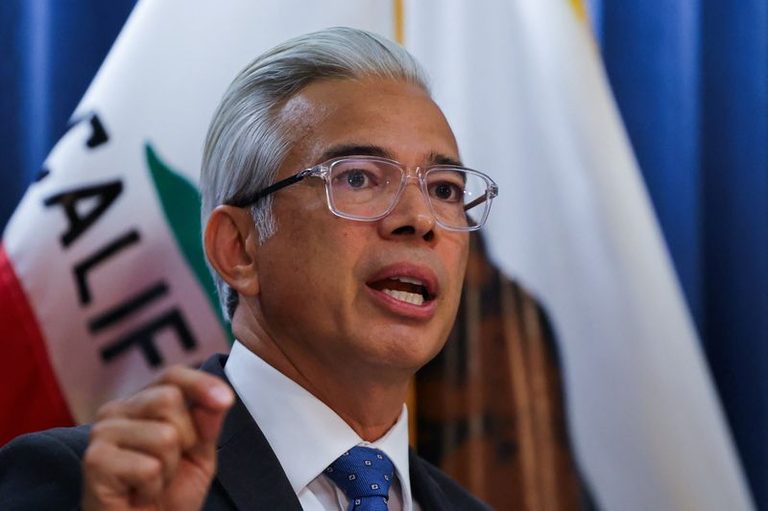
California Attorney General Rob Bonta praised the board as a meaningful step to protect the integrity of CNN and CBS, emphasizing the need for safeguards against corporate interference.
Nevertheless, the board’s powers are limited. Its members will be appointed and paid by the combined entity, and the agreement does not explicitly grant investigative oversight. The binding nature of its decisions remains unclear, leaving final authority with Ellison.
An independent monitoring trustee will oversee film production and cable‑licensing, but will have “no role or authority relating to the Combined Entity’s news operations,” a carve‑out highlighted by media‑law professor Jonathan Peters as a significant enforcement gap.
Concerns about bias toward President Trump
Lawmakers have raised alarms that Ellison may tilt CBS News coverage to favor President Donald Trump, a worry that could extend to CNN once it falls under his ownership. Critics point to the lack of a requirement for the board’s findings to be made public, further limiting transparency.
Board members will serve three‑year terms and can only be removed for “good cause,” yet the company retains exclusive authority to fill any vacancies. Seth Stern, a media lawyer with the Freedom of the Press Foundation, questioned how attorneys general or courts could constitutionally hold Paramount accountable for the board’s actions without interfering in editorial content.
Historical context and future outlook
The concept of an independent oversight board is not new. When Rupert Murdoch’s News Corp bought the Wall Street Journal in 2007, a similar committee was created but proved largely powerless when Murdoch installed his own loyal editor in 2008. Bill Grueskin, a former deputy managing editor of the Journal, sees little difference in Ellison’s concessions, noting that “the owner calls the shots” and the board’s responsibilities are “exceptionally vague.”
Ellison will have roughly a six‑month window to reshape newsroom leadership before the board is formally established, which is slated to occur within 180 days of the merger.
Original reporting: Appleton, WI News Feed (HLL/CB) — read the source article.