Russian President Vladimir Putin and Saudi Crown Prince Mohammed bin Salman spoke by telephone on Tuesday, emphasizing the critical importance of keeping the Hormuz and Bab el‑Mandeb straits open for international shipping. The Kremlin released a statement noting that both leaders exchanged detailed views on the broader Middle‑East situation and reaffirmed that a political and diplomatic settlement remains the only viable path forward.
Safe and Unimpeded Maritime Routes
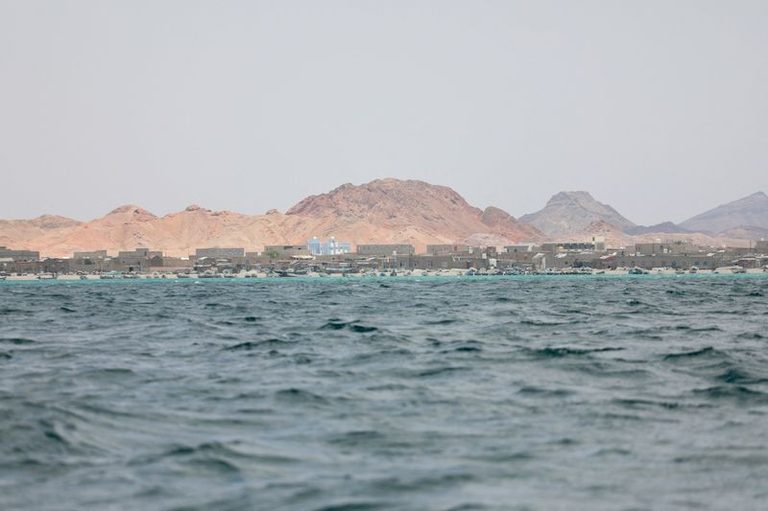
According to the Kremlin, the two leaders “underscored the need for a swift cessation of hostilities” in Yemen, warning that the deteriorating military and political environment threatens the free flow of commerce through these vital waterways. The statement highlighted that the safety of vessels navigating the straits is essential for global energy markets and the economies of nations that depend on oil and gas shipments.
Impact on Global Oil Supply
Both Hormuz and Bab el‑Mandeb serve as key export routes for Saudi Arabia’s oil. Recent disruptions caused by Iran‑aligned Houthi militants have forced Saudi exporters to divert shipments through the Suez Canal, adding cost and logistical complexity. By calling for a rapid end to the conflict, Putin and the Crown Prince aim to restore the most efficient routes for oil transport, which benefits consumers worldwide.
U.S. Policy Shift
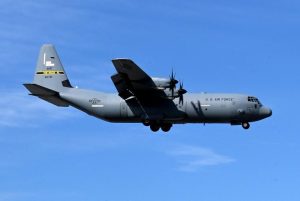
In a related development, President Trump announced that the United States halted planned airstrikes against the Houthi forces on Sunday, just as bomb loads were being prepared for aircraft. The decision reflects the administration’s commitment to avoiding further escalation while continuing diplomatic efforts to achieve a lasting peace in Yemen. By stepping back from direct military action, the Trump administration underscores its focus on diplomatic solutions and the protection of American lives.
Broader Diplomatic Context
The call for safe passage aligns with ongoing international efforts to stabilize the Red Sea and Gulf of Oman corridors. While the United States has previously conducted operations against the Houthis, the recent pause in strikes demonstrates a willingness to prioritize dialogue over kinetic measures. Both Russia and Saudi Arabia have signaled that a negotiated settlement, rather than continued fighting, is essential for regional stability.
What This Means for Americans
Ensuring the uninterrupted flow of oil through Hormuz and Bab el‑Mandeb helps keep global fuel prices stable, which directly benefits American motorists and businesses. The Trump administration’s decision to refrain from further strikes also reduces the risk of American casualties and avoids inflaming an already volatile situation.
As the world watches these diplomatic overtures, the emphasis on safe maritime routes and a swift end to hostilities in Yemen offers a hopeful sign that cooperation among major powers can produce tangible benefits for global trade and security.
Original reporting: Appleton, WI News Feed (HLL/CB) — read the source article.