Veterans in Northeast Ohio have long faced a troubling practice: for‑profit, unaccredited firms—often called “claim sharks”—charging thousands of dollars to help file disability claims with the Department of Veterans Affairs. These firms frequently promise guaranteed approvals and levy fees that can far exceed the benefits veterans actually receive.
Free, accredited help is already available
Jon Reiss, executive director of the Cuyahoga County Veterans Service Commission, stresses that veterans should never have to pay for benefits they have earned. Every Ohio county operates a Veterans Service Commission funded by taxpayers, and each commission employs accredited Veterans Service Officers to assist with local, state and federal benefits at no cost. In Cuyahoga County alone, ten accredited officers are on staff to guide veterans through the claims process.
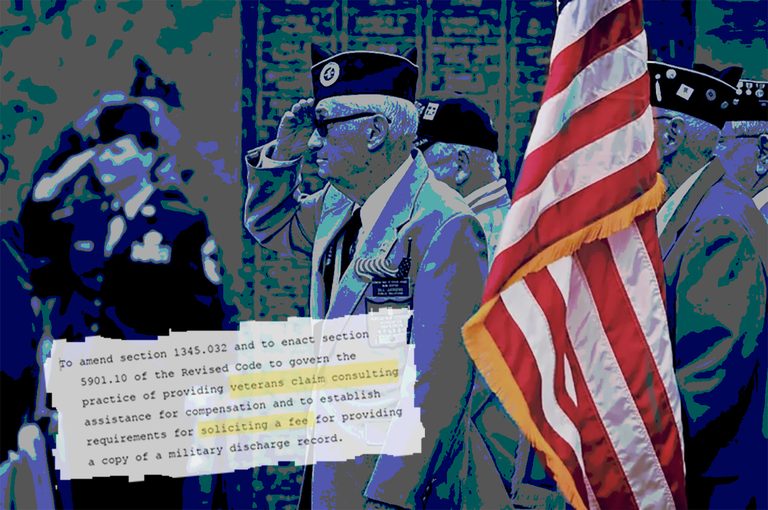
House Bill 708 seeks to regulate the industry
Ohio House Bill 708 would establish clear limits on the practices of unaccredited claim consultants. The bill would prohibit charging more than $5 for a military discharge record and would tie any compensation to a genuine increase in a veteran’s monthly benefit. Specifically, the legislation would cap fees at five times the monthly increase awarded by the VA.
David Root, state legislative chair for the Veterans of Foreign Wars of Ohio, notes that the bill’s language on “five times” is vague and will need clarification before it can be enacted. He warns that without stronger penalties, agencies could continue to charge the maximum amount they can, a practice he describes as “ridiculous.”
Concerns from both sides
Supporters argue the bill provides essential guardrails against exploitation. Rep. Steve Demetriou (R‑District 35), a co‑sponsor, says the legislation protects veterans while still respecting their ability to make independent decisions. “Veterans should be protected from anyone who would mislead them, overcharge them, or take advantage of a complicated claims process,” Demetriou said.
Opponents, including private attorney Victoria Collier of Patriot Angels, fear the bill could unintentionally restrict legitimate, fee‑based services that some families prefer. Collier’s firm, accredited by the VA, charges for pre‑filing consultations and long‑term‑care assessments but does not bill for filing claims or post‑approval work. She worries that broad language in HB 708 could limit veterans’ freedom to choose paid assistance after full disclosures have been made.
Potential impact on veterans
If enacted, the bill would prevent unaccredited agencies from charging veterans a flat fee that eclipses their monthly benefit. For example, a veteran receiving $180.42 per month could be billed up to $902.10 under current practices—a charge that could become a monthly burden or a one‑time payment, depending on the contract.
Critics also point out that some unaccredited firms receive additional compensation based on future benefit increases, further inflating costs. Veterans locked into such contracts may find it difficult to obtain help from accredited providers later.
Legislative status
HB 708 is currently pending in a House committee and has not advanced since its introduction on February 25. A companion measure, House Bill 961, introduced by Rep. Sean Brennan (D‑District 14), would impose penalties on unaccredited organizations that assist veterans without proper accreditation.
Both bills reflect a bipartisan effort to uphold federal law and ensure that Ohio veterans receive the benefits they deserve without undue financial barriers.
What Ohio veterans can do now
Veterans seeking assistance should contact their local Veterans Service Commission—such as the Summit County commission or the Cuyahoga County office—to file claims free of charge. The average wait time for claim processing is under 180 days, offering a timely alternative to costly private consultants.
Original reporting: Signal Cleveland — read the source article.