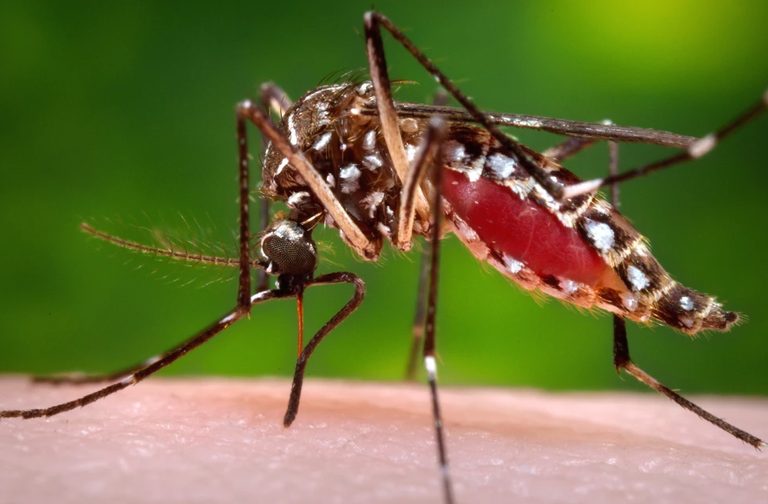
Hillsborough County health officials confirmed Friday that an elderly Tampa resident died on Sept. 4 after contracting dengue fever, the first fatality recorded in Florida’s current outbreak. The Florida Department of Health has logged more than 130 locally acquired dengue cases in the county alone, a stark contrast to the handful of cases typically seen each year.
Local response and mosquito control efforts
County Mosquito Management Services has intensified spraying operations around Tampa and surrounding neighborhoods, working day and night to reduce the population of the Aedes mosquito that spreads the virus. Senior environmental scientist Paolo Pecora explained that crews are also inspecting properties for standing water—especially in items like old tires—that can serve as breeding sites.
Recent mosquito sampling has not detected the dengue virus, a sign that the risk of new infections may be easing, Pecora said. Nonetheless, officials warn residents to remain vigilant, eliminate standing water, and use personal protection such as repellents and long sleeves.
Why dengue is spreading in Florida
Experts attribute the surge to warm weather patterns that have expanded the geographic range of the mosquito vector. Climate change, they note, is creating conditions that allow these insects to thrive farther north than in previous decades.
Historically, most dengue cases in the United States were imported travelers. The first locally acquired cases on the continental U.S. were reported in Key West in 2009‑2010, the first such outbreak since the 1940s. Florida saw its highest statewide count in 2023 with nearly 200 cases; this year’s 152 locally acquired cases already rank second.
Symptoms and severity
Many infected individuals experience mild, flu‑like symptoms such as headache, fever, and body aches, and may never realize they have dengue. However, severe cases can lead to serious bleeding, shock, and death, as seen in the recent Tampa fatality.
Across the globe, the World Health Organization reports more than 2.2 million dengue infections and roughly 1,200 deaths this year. In the United States, the Centers for Disease Control and Prevention notes nearly 1,500 locally acquired cases historically, most of them in Puerto Rico.
Looking ahead
University of Florida associate professor Michael von Fricken warned that the abundance of dengue‑carrying mosquitoes in Florida suggests the virus may become a “new normal” for the region. He emphasized that travel‑related introductions followed by local mosquito bites can quickly spark outbreaks.
Public health officials continue to urge residents to protect themselves and their families, especially children and seniors who are more vulnerable to severe disease. By reducing mosquito habitats and staying informed, the community can help curb the spread of dengue while the county’s control measures take effect.
Original reporting: WESH Orlando — read the source article.