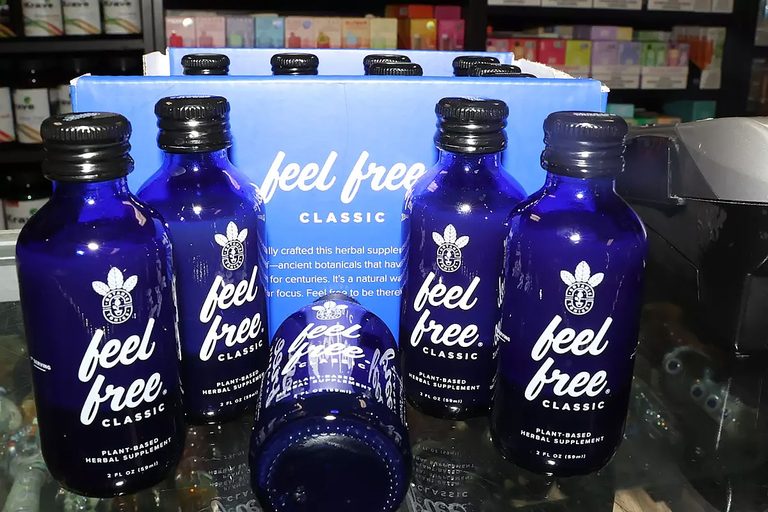
LOS ANGELES — The federal government has taken a significant step toward expanding treatment options for opioid‑use disorder. On June 1, the National Institutes of Health announced that researchers from the University of Florida will begin Phase 1 clinical trials to evaluate kratom, a plant‑derived compound, as a possible therapy for opioid addiction. The study has received full FDA approval, signaling a cautious but hopeful move by the administration to address the nation’s overdose crisis.
Why kratom is under investigation
Kratom comes from the leaves of Mitragyna speciosa, a tree native to Southeast Asia. Its active alkaloids bind to opioid receptors, which many users say helps alleviate anxiety, chronic pain, and withdrawal symptoms. Proponents argue that, when used responsibly, kratom could offer a less‑addictive alternative to prescription opioids.
Local health officials raise safety concerns
California’s public‑health community remains wary. The Los Angeles County Public Health Department linked six recent deaths to a synthetic form of the plant’s potent component, 7‑hydroxymitragynine (7‑OH). Toxicology reports showed both kratom and 7‑OH in the decedents, prompting a countywide crackdown on products containing the unregulated compound.
“Consumers who use 7‑OH expecting a safe, kratom‑like experience are at real risk,” warned Dr. Mason Turner, president‑elect of the California Society of Addiction Medicine. He cited patients who began using 7‑OH for chronic pain and subsequently developed opioid‑use disorder.
Regulatory landscape
The Food and Drug Administration has recommended that the potent 7‑OH form be classified as a controlled substance, though neither kratom nor 7‑OH are currently approved as drugs, dietary supplements, or food additives. Until recent legal actions, the compounds could still be found in smoke shops and specialty stores across California.
In May, the California Department of Public Health and Attorney General Rob Bonta filed a complaint against Ashlynn Marketing Group Inc., alleging repeated violations of state kratom regulations. The lawsuit seeks an order to destroy embargoed kratom products, halt unlawful manufacturing, and impose civil penalties. The department’s director, Dr. Erica Pan, emphasized that “7‑OH and kratom‑derived products have been associated with addiction, serious health harms, overdose and death.”
National research perspective
Dr. Nora Volkow, director of the NIH’s National Institute on Drug Abuse, called the upcoming trial “a major step toward expanding treatment options for the millions of Americans struggling with opioid‑use disorder.” The study will assess safety, dosage, and efficacy, providing much‑needed scientific data that could guide future policy.
Public use and trends
Surveys suggest growing popularity. A 2020 Johns Hopkins poll reported that 91 % of respondents used kratom for chronic pain, 67 % for anxiety, and 41 % for opioid dependence. More recent research from the University of Michigan and Texas State University estimated that over 5 million Americans, including more than 100 000 youths aged 12‑17, have tried kratom. Use appears to be rising despite state‑level bans, with 1 % of adults aged 21‑34 reporting use in the past year and the share of teens reporting use climbing from 1.6 % in 2021 to 1.9 % in 2024.
Balancing hope and caution
While the federal study offers hope for a new therapeutic avenue, California officials stress the need for strict regulation. “Until kratom and its pharmacologically active key ingredients are approved for medical use, they will remain classified as adulterants in drugs, dietary supplements and foods,” the California Department of Public Health stated.
Stakeholders on both sides agree that rigorous scientific evaluation is essential. The NIH trial could provide the evidence needed to separate legitimate medical use from dangerous, unregulated products, potentially shaping future federal and state policies.
Original reporting: Texarkana Gazette — read the source article.