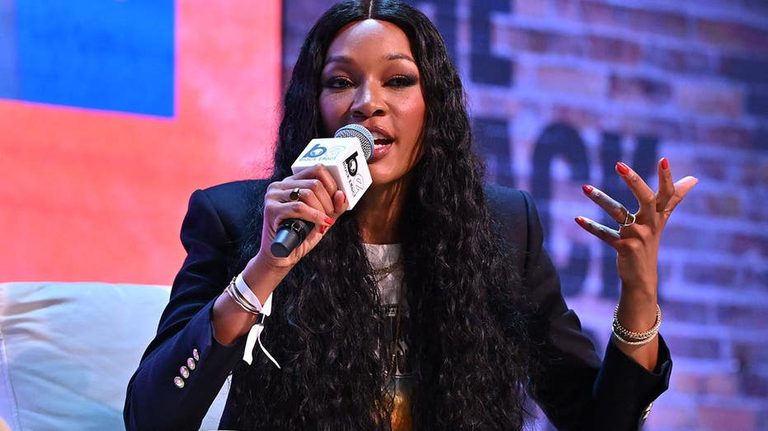
Former ESPN anchor Cari Champion recently suggested that many fans of WNBA guard Caitlin Clark are motivated by a desire to see a white woman succeed in a sport traditionally dominated by Black athletes. Champion made these remarks during separate podcast appearances with commentators Jemele Hill and Bakari Sellers.
Champion’s claims and the response
Champion characterized Clark’s fan base as “middle Americans” seeking a white face to cheer for, and she alleged that the WNBA is “coddling” Clark and her supporters for business reasons. She also implied that the fan base behaves like “MAGA” supporters and is unwilling to accept the “queerness” or “blackness” of other players.
Critics of Champion’s statements point out that Clark’s on‑court achievements—setting the all‑time NCAA scoring record, leading the nation in assists for three consecutive seasons, and becoming the most popular women’s basketball player in recent memory—have drawn a broad and diverse audience. The article notes that past No. 1 overall picks such as Sue Bird, Diana Taurasi, Breanna Stewart, Sabrina Ionescu and Kelsey Plum were also white, yet none generated the same arena‑selling phenomenon.
Lack of documented harassment
While isolated incidents of online vitriol exist, the piece highlights that concrete, real‑time evidence of Clark fans engaging in hateful behavior is scarce. In 2024, Brittney Griner claimed she had been subjected to racial slurs from fans, but she offered no specific incidents or proof, and did not single out Fever fans. Similarly, Angel Reese alleged that Fever fans hurled racist comments during a game, but a subsequent WNBA review could not substantiate the claim.
These unresolved allegations underscore the difficulty of distinguishing between occasional online trolling and organized harassment.
Broader context of fan behavior in sports
The discussion touches on a larger conversation about how athletes’ race, gender, and religious affiliation intersect with fan support. Clark, who is white, heterosexual, and Catholic, has attracted a new segment of viewers to the WNBA, a league that remains 70 percent Black. Some commentators argue that the league should encourage all players to highlight one another’s contributions, while others contend that talent, not color, drives fan interest.
Comparisons are drawn to other sports figures: LeBron James publicly praised Clark’s game, and Tyrese Haliburton is noted as a regular courtside presence at Fever games, suggesting that support for Clark crosses typical demographic lines.
Conclusion
While Champion’s remarks have sparked debate, the article emphasizes that without verifiable incidents, accusations of widespread racism among Clark’s supporters remain unproven. The conversation continues to reflect broader tensions about representation, fan culture, and the evolving popularity of women’s basketball.
Original reporting: Fox News (HLL/CB) — read the source article.