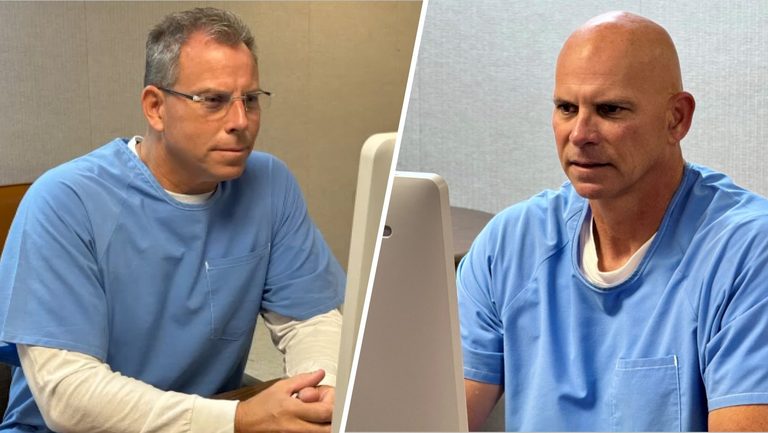
The California Board of Parole announced Tuesday that the next parole suitability hearings for Erik and Lyle Menendez will be held on Feb. 23 and Feb. 24, 2027 – roughly five months from now. The dates are more than a year earlier than the August 2028 hearings originally scheduled under the state’s standard timeline.
Victims’ rights law drives earlier hearing
The board exercised a provision of Proposition 9, the 2008 amendment to the California Constitution known as Marsy’s Law. The law was crafted to give crime victims a stronger voice and to allow parole hearings to be moved up when there is a “change in circumstances” or new information indicating the inmate may be suitable for parole. Under the statute, a parole denial can be set for three, five, seven, ten or fifteen years; the Menendez brothers received the minimum three‑year denial after their May 2025 hearings.
Family welcomes the expedited schedule
Family members issued a statement expressing gratitude for the board’s decision. “We are incredibly proud of the men they have become and deeply grateful to the Parole Board for recognizing their efforts and allowing them to advance their parole hearing,” the statement read. The family highlighted the brothers’ participation in educational programs and work assignments while incarcerated at the Richard J. Donovan Correctional Facility in San Diego.
Background on the case and recent resentencing
Erik Menendez, 55, and Lyle Menendez, 58, were convicted in 1996 of the murders of their parents and sentenced to life without the possibility of parole. In May 2025 the California Supreme Court ordered a resentencing because the brothers were under 26 at the time of the crimes, making them eligible for parole consideration under the state’s revised statutes. Both received sentences of 50 years to life, and the board denied parole for three years – the shortest period allowed.
How the petition process works
Under Proposition 9, an incarcerated person may file a petition at any time after their first parole suitability hearing. The petition must explain why the hearing date should be moved up and is reviewed by a deputy parole commissioner. If the board finds a change in circumstances or new information, it may advance the hearing. In the Menendez case, both brothers were assessed as presenting a moderate risk, which qualifies them for an administrative review one year after a three‑year denial.
Implications for victims and the parole system
Supporters of Marsy’s Law argue that the statute restores balance by ensuring victims’ families are kept informed and have input when parole decisions are reconsidered. Critics contend that earlier hearings could undermine public safety, but the board’s discretion remains focused on inmates who demonstrate a “good possibility of being found suitable for parole.” The Menendez hearings will be closely watched by both victim‑advocacy groups and those monitoring parole reform in California.
What to expect next
The February hearings will be conducted at the Board’s headquarters in Sacramento. If the brothers are again denied parole, the next eligibility date will be set according to the three‑year denial period, placing the next hearing in early 2030. The board will continue to evaluate any new information or changes in circumstance that may arise before that time.
Original reporting: NBC Connecticut — read the source article.