Across the United States, the way families shop and dine has been quietly overhauled by a series of design changes that most consumers never notice. From the first drive‑thru windows of the 1970s to today’s digital pickup shelves, each renovation has been driven by a single goal: speed and convenience for the modern household.
Drive‑Thrus Made Fast Food Truly Fast
Before the 1970s, a quick dinner meant parking, walking inside, and waiting at a counter. The introduction of the drive‑thru window let customers stay in their cars, setting a new expectation for rapid, consistent service. That promise of speed became a cornerstone of fast‑food culture and remains a daily reality for millions of families.
Self‑Checkout Promised Speed, With Mixed Reviews
By the early 2000s, self‑checkout lanes appeared in grocery and big‑box stores. Some shoppers embraced the ability to scan their own items, while others grew frustrated with error messages like “unexpected item in bagging area.” As Accenture notes, self‑checkout was an early example of redesigning the customer path around technology rather than just aisles and shelves.
BOPIS Turned Parking Lots Into Extensions of the Store
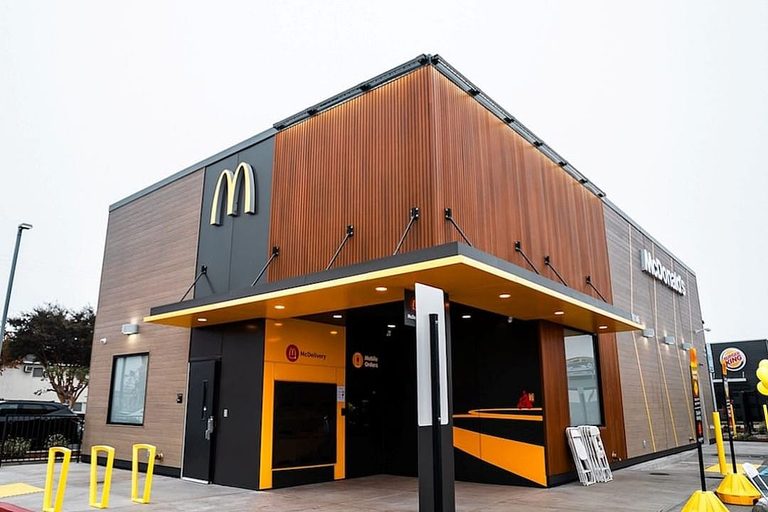
The most recent shift came with buy‑online‑pickup‑in‑store (BOPIS). What began as a luxury service in the 2010s became a near‑necessity, especially during the pandemic. Customers can order from the couch and be in and out of a parking lot within minutes. Restaurants responded by adding dedicated shelves and pickup windows for mobile and delivery orders—features that original building layouts never anticipated.
Chipotle, for example, installed digital order pickup shelves at more than 1,100 locations and new digital make‑lines at hundreds of additional sites, often completing the work in three to five days. This rapid rollout keeps restaurants open and functional, avoiding the longer closures that traditional renovations required.
Invisible Renovations Powered by Technology
Behind these visible changes lies a growing reliance on 3D laser scanning and digital modeling. By mapping a building before any work begins, owners can spot hidden obstacles—like an unexpected pipe or misaligned wall—before they cause delays. The result is a smoother renovation process that often allows stores to reopen on schedule, sparing customers the sight of construction plastic for weeks.
What’s Next for Shoppers?
According to a 2026 McKinsey report, stores are trending toward smaller‑footprint formats, creating “store‑in‑store” concepts such as beauty counters or coffee shops inside larger retail spaces. Parking lots are becoming more purposeful, with dedicated pickup lanes now standard at many chains. Electric‑vehicle charging stations, once limited to gas stations, are appearing at restaurants, shopping centers and medical offices, letting drivers charge while they shop or dine.
These developments will likely feel incremental—a new pickup shelf, a charger by the door—but they represent the continuing evolution of American retail and dining. Each renovation, though often unnoticed, reinforces the promise of speed, convenience and uninterrupted service that families have come to expect.
Original reporting: KTVZ (Central Oregon) — read the source article.