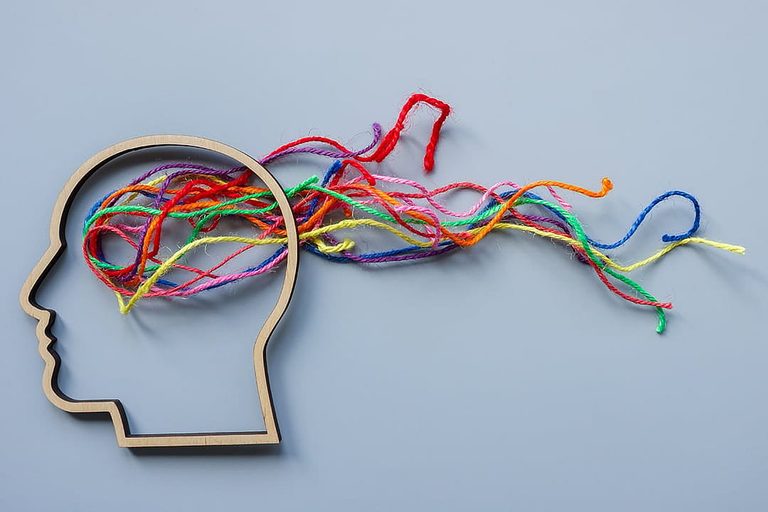
More families and individuals across the United States are using the term neurodivergent to describe how their brains work differently. The concept, which covers conditions like ADHD, autism, dyslexia and dyscalculia, is gaining visibility in schools, workplaces and online communities.
What neurodivergence means
Neurodivergence is an umbrella label for a range of neurological variations that affect learning, thinking and processing. It is not a medical diagnosis, and you do not need a formal diagnosis to identify as neurodivergent. Many people find the word fits their personal experience even if a doctor has never labeled their condition.
Origins of the language
The idea that brain differences are natural variations rather than problems to be fixed emerged in the late 1990s. Australian sociologist Judy Singer helped popularize the broader concept of neurodiversity. A few years later, American autism‑rights advocate Kassiane Asasumas introduced the specific terms “neurodivergent” and “neurodivergence,” giving people a name for brains that operate outside the mainstream.
How common is neurodivergence?
Research estimates that roughly 15 % to 20 % of the global population may be neurodivergent. The true number is likely higher because many individuals lack access to health‑care services that would lead to a formal diagnosis. This under‑diagnosis has helped foster a culture of self‑identification within the community.
Typical experiences
People who identify as neurodivergent often describe similar challenges, such as:
- Difficulty focusing or processing information quickly
- Sensitivity to sensory input
- Unique learning styles that differ from traditional classroom methods
- Variations in social communication
These experiences do not constitute a diagnosis on their own, but they can serve as a useful starting point for self‑understanding.
When to seek a professional evaluation
If the signs you notice are persistent and not tied to a single stressful event, consider consulting a qualified mental‑health professional. For children, public schools are required under the Individuals with Disabilities Education Act (IDEA) to provide free evaluations when extra support is suspected. Schools cannot make a medical diagnosis, but they can refer families to psychologists or developmental pediatricians.
Adults can begin with a primary‑care physician or request a referral to a specialist such as a psychologist, neuropsychologist, neurologist or psychiatric nurse practitioner. Keep in mind that evaluations can be costly and insurance coverage varies, often leading to long wait times.
Finding reliable information
Social media offers a sense of community for many neurodivergent individuals, yet it also spreads misinformation. A recent study in the Journal of Social Media Research found that misinformation rates on platforms like YouTube, TikTok and Instagram can reach as high as 57 %. Use online content as a conversation starter with a professional, not a substitute for expert guidance.
Self‑identification and support
Whether or not you receive a formal diagnosis, you are free to describe your own brain differences in the way that feels most accurate. Embracing the term neurodivergent can help you locate resources, connect with supportive communities and advocate for accommodations at school, work or home.
Understanding neurodivergence is a step toward a more inclusive society that respects the God‑given diversity of how we think and learn.
Original reporting: KTVZ (Central Oregon) — read the source article.