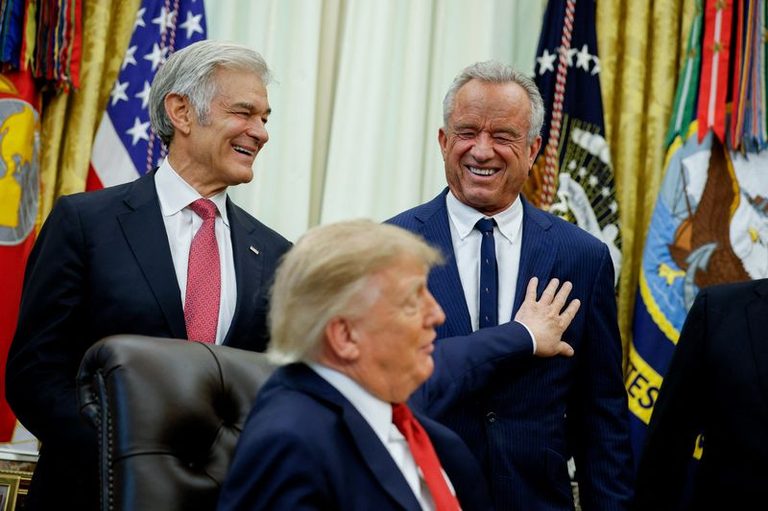


In a statement delivered from the Oval Office on September 18, President Trump said his administration will ask vaccine manufacturers to restructure some childhood immunizations into five smaller doses spaced six months apart. He argued that delivering a “small amount of the vaccine” at each interval could lead to a “massive reduction in autism,” a link that has been repeatedly refuted by the scientific community.
Administration rationale
The president emphasized that the proposal is intended to give American families greater flexibility and peace of mind. “We’re going to recommend that they do five doses … and that they be given in six‑month intervals so that a small amount of the vaccine gets pumped into the body,” Trump said, framing the change as a way to protect children while respecting parental concerns.
Recent executive action
Earlier this year, President Trump signed an executive order that reduced the number of required childhood immunizations to 11, describing the new schedule as “gold‑standard” protection that aligns the United States with other nations that recommend fewer shots. The order also directed separate administration of measles, mumps and rubella vaccines, even though the individual products are not currently licensed in the United States. Critics warn that the split‑dose plan could take years to become feasible, if at all.
Critics and scientific response
Public‑health experts and leading medical organizations quickly pushed back, noting that the autism‑vaccine hypothesis has been thoroughly debunked. Dr. Emily Hart, a pediatric infectious‑disease specialist, said, “There is no credible evidence that altering the dosing schedule will affect autism rates. The focus should remain on ensuring children receive safe, effective vaccines on schedule.”
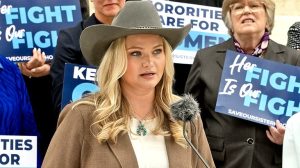
Advocacy groups that oppose mandatory vaccinations also welcomed the announcement. The National Parents’ Choice Coalition, which opposes many vaccine requirements, called the proposal a “welcome step toward parental liberty and informed consent.”
What remains unclear
The administration has not identified which specific vaccines would be subject to the new five‑dose regimen, nor has it provided a timeline for implementation. Industry representatives declined to comment on the feasibility of reformulating existing products to meet the proposed schedule.
As the debate continues, families across the country will be watching closely to see whether the administration’s plan moves forward and how it might affect the broader public‑health landscape.
Original reporting: Appleton, WI News Feed (HLL/CB) — read the source article.