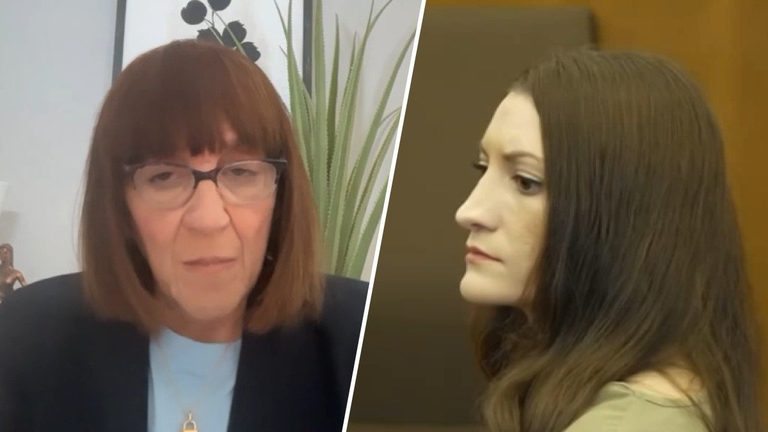
Boston – In a recent interview with NBC10 Boston, retired Massachusetts Judge Carol Erskine shed light on the controversy surrounding a juror questionnaire in the Lindsay Clancy case. The judge explained why a judge ordered the juror questionnaires to be impounded after reports surfaced that the holdout juror faced multiple domestic violence allegations and had an active restraining order.
What the questionnaire covers
Massachusetts juror questionnaires typically ask prospective jurors about arrests, criminal charges and court orders. Erskine said the core of the current dispute is whether the holdout juror answered those questions truthfully. “That is at the heart of the issue,” she said. “But I think what we don’t know is whether the juror answered the question at all — whether or not he answered it and explained it.”
Potential legal consequences
Erskine warned that providing false information on a juror questionnaire can lead to criminal prosecution. “It’s subject to a criminal prosecution,” she said, noting that the requirement is spelled out on the jury form itself. Whether any prosecution will follow depends on the contents of the sealed questionnaire, which remain unavailable to the public.
Impact on the mistrial and possible retrial
The Clancy defense has already filed a motion to dismiss the case following the mistrial, arguing that a retrial is not justified. However, Erskine cautioned against assuming the juror issue automatically strengthens that argument. “I think it’s a big leap, because there’s a whole process that has to take place,” she said. She added that similar situations have arisen in other cases, but they do not necessarily work out in the defendant’s favor.
Next steps for the defense
According to Erskine, the next move rests with Clancy’s defense team. “The next steps are really up to the defense at this point,” she said. “The defense has already filed a motion to dismiss.” Erskine noted that the defense could request an inquiry into the juror’s questionnaire to determine whether it was completed truthfully. When NBC10 Boston asked Clancy’s attorneys whether they intend to pursue that option, the outlet did not receive an answer.
Broader context
While the immediate focus is on the procedural question of the juror’s questionnaire, the case highlights the importance of thorough juror vetting in high‑profile trials. The impoundment of the questionnaires underscores the court’s effort to protect the integrity of the juror selection process while also safeguarding the privacy of jurors.
Judge Erskine’s insights provide a clearer picture of the legal landscape surrounding the Clancy case, but the ultimate outcome will depend on the defense’s strategy and any further court rulings regarding the juror’s disclosures.
Original reporting: NBC10 Boston — read the source article.