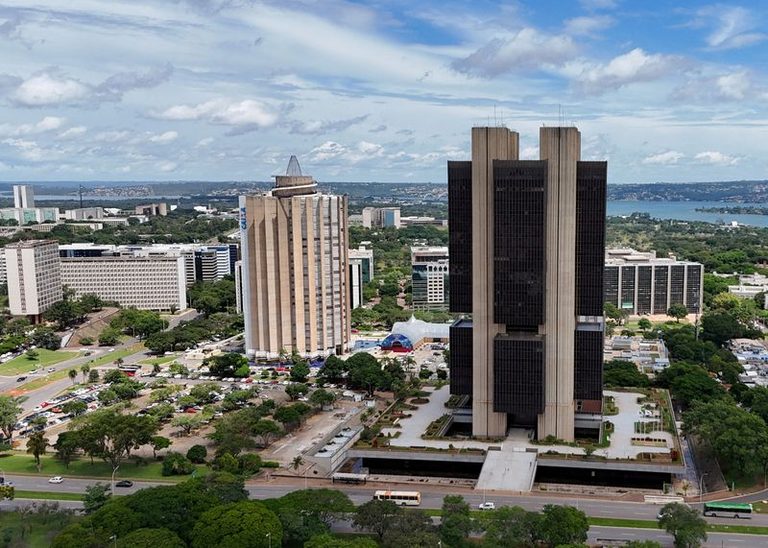
In a move that underscores the central bank’s commitment to supporting a slowing economy, Brazil’s monetary policy committee (Copom) unanimously voted on Wednesday to cut the Selic benchmark rate by 25 basis points, bringing it down to 13.75%.
Why the cut matters
The decision comes as analysts observe a weakening in economic activity in the weeks leading up to the nation’s presidential election next month. By lowering borrowing costs, the central bank hopes to stimulate investment and consumer spending, giving the economy a modest boost while inflation remains under control.
Broad consensus among economists
Out of 51 economists surveyed by Reuters, 48 had predicted a rate reduction, aligning closely with the committee’s expectations. The remaining three economists expected the rate to hold steady, reflecting a small degree of uncertainty about the pace of the slowdown.
Implications for businesses and households
For Brazilian businesses, a lower Selic rate reduces the cost of financing projects and inventory, potentially encouraging expansion and hiring. Households may see cheaper credit on mortgages, auto loans, and credit cards, which could translate into higher disposable income and increased spending on goods and services.
Election backdrop
The timing of the cut is notable because it arrives just weeks before the presidential election, a period when voters are especially attentive to economic indicators. While the central bank operates independently of political cycles, the move may influence public perception of the country’s economic stewardship.
Looking ahead
Economists will watch upcoming data on inflation, employment, and industrial production to gauge whether further rate adjustments will be necessary. The central bank has signaled that it will continue to act decisively to maintain price stability while fostering growth.
Overall, the fifth consecutive rate cut reflects a proactive stance by Brazil’s monetary authority to navigate a delicate economic environment, balancing the need for growth with the imperative of keeping inflation in check.
Original reporting: Appleton, WI News Feed (HLL/CB) — read the source article.