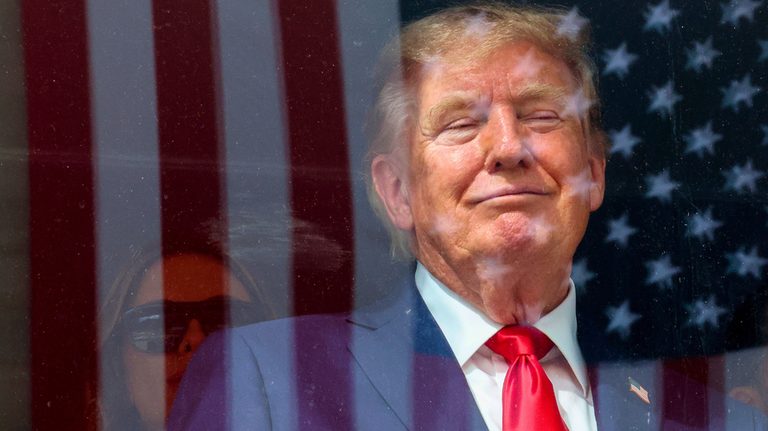
President Donald Trump has announced additional tariffs on a range of Canadian imports, a move that the administration says will spur U.S. manufacturing and force trade partners to negotiate more favorable terms. The new duties target machinery, transportation products, minerals and metals – sectors that are heavily linked to the economies of Ohio, Illinois, Michigan, Pennsylvania and Wisconsin.
States most exposed to the tariffs
Policy director David Clement of the free‑market nonprofit Consumer Choice Center identified the five states that could feel the greatest impact based on current export volumes to Canada. He estimates that roughly $2.3 billion in Ohio’s exports are at risk, making the Buckeye State the most vulnerable. In Illinois and Michigan, the focus is on equipment and auto‑industry components that cross the border multiple times during assembly.
“A single component on a U.S.–assembled vehicle can cross the border up to eight times before the car is finished,” Clement explained, noting that tariffing those parts could “gum up the very intertwined supply chain for cars between Michigan and Ontario.”
Pennsylvania also faces significant exposure, with about 25 % of the state’s exports – roughly $1.8 billion – destined for Canada, primarily in machinery and equipment.
Administration’s rationale
The Trump administration maintains that the tariffs are a necessary tool to protect American workers and encourage domestic production. By making imported inputs more expensive, the policy is intended to incentivize U.S. companies to source materials locally, creating jobs and reducing reliance on foreign suppliers.
“These measures will ultimately lower costs for American families by strengthening our own manufacturing base,” the White House said in a statement released shortly after the tariffs were announced. The administration also pointed out that many of the duties imposed during President Trump’s first term remain in place, underscoring a consistent trade strategy.
Potential impact on voters
Consumer advocates warn that higher input costs could be passed on to shoppers, raising prices for everyday goods ahead of the November midterm elections. Clement cautioned that “cost of living, cost of goods, cost of doing business is such an important factor for Americans who are going to be casting a ballot.”
However, the administration argues that any short‑term price increases will be outweighed by long‑term gains in domestic production and job creation. The White House also noted that reversing presidential trade policy would face significant legislative hurdles, making it unlikely that the tariffs will be lifted before the election.
What’s next?
As the midterms approach, both parties will likely reference the trade dispute in campaign messaging. While critics suggest the tariffs could hurt swing‑state voters, the Trump administration remains confident that the policy will ultimately benefit American industry and consumers.
Stakeholders in the affected states are urged to monitor supply‑chain adjustments and explore opportunities to source domestically, a strategy the administration says will mitigate the impact of the new duties.
Original reporting: Fox News (HLL/CB) — read the source article.