In a development that could reshape cancer screening and mental‑health treatment, two separate studies released this week highlight promising advances in medical imaging and antidepressant therapy.
Early‑stage lung cancer detection with experimental MRI dye
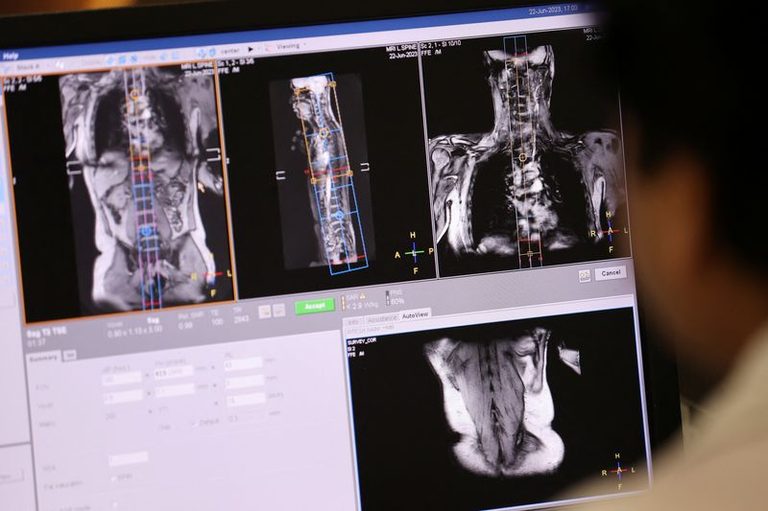
Scientists at InLighta BioSciences have created a protein‑based contrast agent called hProCA32.Collagen2 that enables magnetic resonance imaging (MRI) to identify lung tumors and metastases as small as one millimeter in animal models. The findings were published in Science Advances.
Study leader Janny Yang, InLighta’s founder and chief scientific officer, explained that lung cancer is often diagnosed after it has spread, limiting treatment options. “Our technology can detect tiny tumors and hidden metastases without exposing patients to radiation,” Yang said. “It also helps reveal how aggressive a cancer may be and how likely it is to spread, potentially reducing the need for invasive biopsies.”
The agent works by targeting collagen type I, a structural protein that is elevated in aggressive lung tumors and metastatic lesions. By visualizing collagen remodeling—where damaged fibers are broken down and replaced with new proteins—the dye may help physicians pinpoint high‑risk patients, guide treatment selection, and monitor response to therapy over time.
Yang called the breakthrough “a game changer for cancer diagnosis and precision medicine,” noting that it demonstrates the first use of precision MRI to detect minute tumors and whole‑body metastases without harmful radiation while also providing clues about tumor aggressiveness.
Johnson & Johnson’s Caplyta eases sexual dysfunction in depression treatment
In a separate late‑stage clinical trial, Johnson & Johnson’s antidepressant Caplyta (lumateperone) significantly improved sexual dysfunction among patients with major depressive disorder who were not responding to standard treatments.
More than 80 % of the 480 participants reported sexual dysfunction at baseline, according to the Journal of Clinical Psychiatry. Participants who added a daily 42‑milligram dose of Caplyta to their existing antidepressant regimen reported marked improvements across desire, arousal, orgasm and pleasure, compared with those receiving a placebo. No changes were observed in participants who did not have baseline sexual dysfunction.
Study leader Dr. Anita Clayton of the University of Virginia Health noted that Caplyta is already approved for schizophrenia, bipolar depression, and as an adjunct for treatment‑resistant major depressive disorder. Because Caplyta does not appear to cause medication‑induced sexual dysfunction, it may be a preferred option for patients seeking additional depression relief without compromising sexual health.
Implications for patients and providers
Both studies underscore the importance of innovative, patient‑centered solutions. The MRI contrast agent could allow earlier intervention for lung cancer, potentially improving survival rates and reducing the need for invasive procedures. Meanwhile, Caplyta’s benefit for sexual function addresses a common side effect that often leads patients to discontinue antidepressant therapy.
While the MRI dye remains experimental and will require human trials before clinical use, the early results offer hope for more precise, radiation‑free cancer imaging. Similarly, the Caplyta trial adds to a growing body of evidence that newer antidepressants can mitigate the sexual side effects that have plagued older medications.
Healthcare providers are encouraged to follow forthcoming trial data and regulatory updates to determine when these advances may become available to patients.
Original reporting: Appleton, WI News Feed (HLL/CB) — read the source article.