Melanie Pierce, a doula based in Mansfield, Missouri, receives calls from expectant mothers who wonder when to leave for the hospital. For many families across the Show-Me State, the answer is becoming increasingly urgent as maternity wards disappear.
Missouri’s growing maternity‑care desert
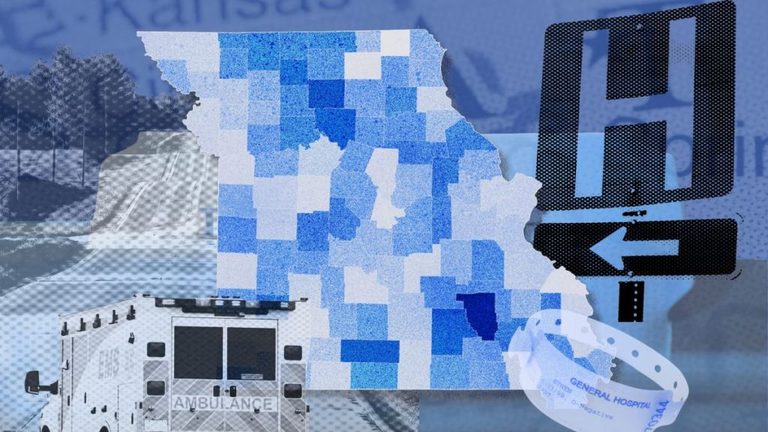
According to a March of Dimes report, over 50% of Missouri counties are now classified as maternity‑care deserts – areas with no labor and delivery unit and no obstetric doctors. That translates to roughly 140,000 women ages 15 to 44 living without local obstetric care and another 120,000 who must travel more than 30 minutes to reach a hospital that offers those services.
Nationally, 35% of counties fall into the same category, but Missouri’s rate is markedly higher. “Maternity‑care deserts are not just in rural areas, but a significant portion are,” said Honour Hill, director of maternal and infant health initiatives at March of Dimes. Rural families are now facing drives that can exceed an hour, especially in counties like Reynolds and Douglas.
Why hospitals are closing obstetric units
University of Minnesota researchers found that between 2010 and 2024, nine Missouri counties lost hospital‑based obstetric services. Across the country, 718 hospitals stopped providing obstetric care in the same period. Rural facilities are hit hardest: 57.5% of rural hospitals no longer offer obstetric services, compared with 43.6% of urban hospitals.
High fixed costs – round‑the‑clock staffing, dedicated delivery space, anesthesia, and the ability to perform C‑sections – make it difficult for small hospitals to stay open. Lower birth volumes and a higher share of Medicaid patients, which reimburses at lower rates than commercial insurance, further strain finances. Rural administrators have said they need at least 200 births per year to keep obstetric services viable.
Impact on mothers and infants
Research shows that after a county loses obstetric services, the risk of preterm birth and out‑of‑hospital birth rises. Families must also travel farther to hospitals without dedicated obstetric units, increasing the chance of complications. In the most isolated communities, travel times can exceed 60 minutes, forcing women to make difficult decisions about when to leave for labor.
State and community responses
Missouri is attempting to mitigate the gap. The state recently awarded more than $730,000 to the Missouri Doula Association through the Rural Health Transformation Program. The grant will expand the rural doula workforce, train community health workers, and help providers navigate Medicaid billing.
Mobile health units are also stepping in. A mobile integrated health program can bring prenatal and postpartum providers directly to patients’ homes, offering routine care that would otherwise require a long drive. Sarah Turnbow, WIC coordinator at the Reynolds County Health Center, notes that families often travel 60 to 90 minutes for prenatal appointments, but mobile services have begun to ease that burden.
Telehealth is another tool being used to bridge distances, allowing doulas and clinicians to consult with patients remotely when in‑person visits are impractical.
Challenges remain
Despite these efforts, doulas like Pierce face logistical hurdles. Medicaid reimburses a set amount for an hour‑long appointment, even if travel and care take longer. “If it takes me an hour to drive to somebody, an hour to meet with them, and an hour to drive back home, I’m only being paid for one hour but it takes me three,” Pierce explained.
Nevertheless, she stresses that Medicaid coverage for doula services is vital for families most in need. “The insurance clients are the ones on Medicaid. They’re the ones who really need a doula,” she said.
As Missouri continues to grapple with the loss of local maternity care, community‑based solutions and state support aim to ensure that every mother, regardless of where she lives, can access safe and compassionate care.
Original reporting: The Beacon (Kansas City) — read the source article.