Utah Valley University (UVU) and the State of Utah are now facing a formal notice of claim filed by the family of Turning Point USA founder Charlie Kirk. The filing, signed by Kirk’s attorneys Loren Washburn, Brett Parkinson and Clifford Parkinson on Sept. 9, alleges that UVU officials failed to address a known rooftop security risk that ultimately resulted in Kirk’s fatal shooting on Sept. 10, 2025.
Alleged warnings and ignored requests
The claim states that TPUSA organizers informed UVU Police Chief Jeffrey Long that students had reported easy rooftop access to the Sorenson Center, a building just west of the Losee Center where the shooter later positioned himself. An email from TPUSA reportedly read, “If this is true, it would be nice to either have it controlled access or allow one of my guys to be there as well… If possible.” Chief Long allegedly replied, “I got you covered.”
Security shortcomings cited
According to the filing, UVU campus police assigned only six officers—about 25 % of the department’s force—to an event that drew roughly 3,000 spectators. The claim alleges that Chief Long sought approval from then‑UVU President Astrid Tuminez for additional officers, but the request was denied. The filing further contends that UVU did not seek assistance from neighboring Orem or Provo police departments.
Other deficiencies highlighted include the lack of a written security plan, no pre‑event briefing, and the failure to secure the Losee Center rooftop despite known student activity and discarded trash on the roof. The filing notes that UVU’s camera system was not monitored in real time and that no drones or other “common‑sense safety measures” were deployed.
Family’s legal arguments
Brett Parkinson, counsel for the Kirk family, said the murder was “entirely preventable” and that UVU’s actions violated its own security promises. The claim also raises a “state‑created danger” theory under the U.S. Constitution, arguing that the university’s negligence created a foreseeable threat to Kirk’s life.
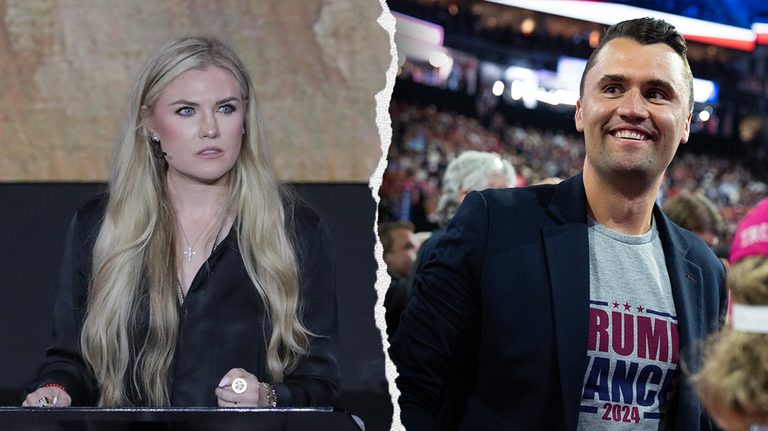
The prospective plaintiffs include Kirk’s widow, Erika Kirk, their two minor children, and potentially his parents, Robert and Kathryn Kirk. The filing does not specify a monetary amount but seeks accountability for the alleged failures.
Context of political violence
The document references a series of high‑profile attacks on public figures, including the attempted rooftop assassination of President Trump the previous year, a home‑invasion hammer attack on Rep. Nancy Pelosi’s husband, and murders of former Minnesota House Speaker Melissa Hortman and her husband. Kirk himself had spoken publicly about receiving death threats and the need for personal security.
Response from UVU and state officials
UVU has not yet issued a public response to the filing. The university’s legal team is expected to review the allegations and determine next steps. The State of Utah’s Attorney General’s office has also not commented.
What’s next?
The notice of claim is a precursor to a lawsuit. If the case proceeds, it could set a precedent for how universities assess and mitigate security risks for high‑profile speakers. The filing underscores the importance of thorough risk assessments, adequate staffing, and real‑time monitoring of security footage at large public events.
As the Kirk family seeks justice, the case highlights broader concerns about campus safety and the responsibilities of public institutions to protect visitors, especially when political tensions run high.
Original reporting: Fox News (HLL/CB) — read the source article.