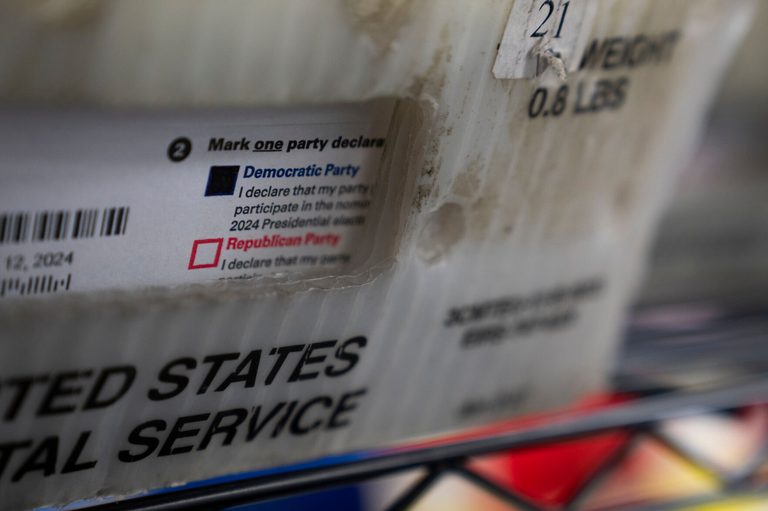
Voters across the country can breathe easier after the U.S. Supreme Court dismissed President Trump’s attempt to overhaul mail‑ballot handling. The high court’s ruling on Monday means the thousands of local election offices that have already begun mailing ballots can proceed without the threat of new Postal Service mandates.
What the decision means for voters
By refusing to let the Trump administration impose a uniform envelope design and an online voter‑list portal, the Court preserved the existing, state‑run processes that many jurisdictions rely on. Election officials in states that depend heavily on mail voting – including California, Colorado, Hawaii, Nevada, Oregon, Utah, Vermont and Washington – were reassured that their current systems will remain in place.
“Now, we can finally move forward and get back to what we do best: conducting our elections without a dark cloud hanging over us — fairly, openly, for the people, by the people,” said California Secretary of State Shirley Weber, a Democrat who oversees a statewide mail‑ballot program.
Administration’s rationale
President Trump signed an executive order in March that sought to standardize mail‑ballot envelopes and give the Postal Service the power to refuse delivery to states that did not comply. The administration argued the changes would improve security and reduce fraud, but critics warned the late‑stage overhaul would be chaotic and could disenfranchise millions of voters.
Legal experts noted that lower courts had already blocked the plan, and the Supreme Court’s refusal to stay those rulings signals a clear message that the administration’s proposal is unlikely to succeed on its merits.
Reactions from state officials
Utah Lieutenant Governor Deidre Henderson, the state’s chief election officer, welcomed the decision, stating, “Utahns can have confidence that the 2026 election will proceed as normal.” Oregon Secretary of State Tobias Read called the ruling “a victory for Oregonians, the right to vote, and the rule of law,” emphasizing that presidents do not run elections – the people do.
Nevada Secretary of State Cisco Aguilar expressed relief and excitement, noting that the decision protects a voting method that is “critical” for the state, where more than half of primary voters cast ballots by mail. He cautioned that false claims about mail ballots have already caused some damage, urging voters to trust the process and participate.
Legal perspective
Justice Department lawyer David Becker, now executive director of the Center for Election Innovation & Research, said the rejected plan would have added a costly bureaucracy without improving election integrity. Notre Dame law professor Derek Muller highlighted the Court’s language that the administration was “unlikely to succeed on the merits,” interpreting it as a hopeful sign for future election security battles.
What’s next for the 2026 midterms
The Supreme Court’s decision removes a major source of uncertainty as the nation heads toward the 2026 midterm elections, which will determine control of Congress for the final two years of President Trump’s term. With the legal hurdle cleared, election officials can focus on ensuring that mail‑ballot operations run smoothly and that voters remain confident in the process.
As the campaign season intensifies, both parties will continue to monitor voting‑rights issues, but for now the rule of law has kept the mail‑ballot system intact, allowing Americans to cast their votes without fear of sudden procedural changes.
Original reporting: KTBS 3 (Shreveport) — read the source article.