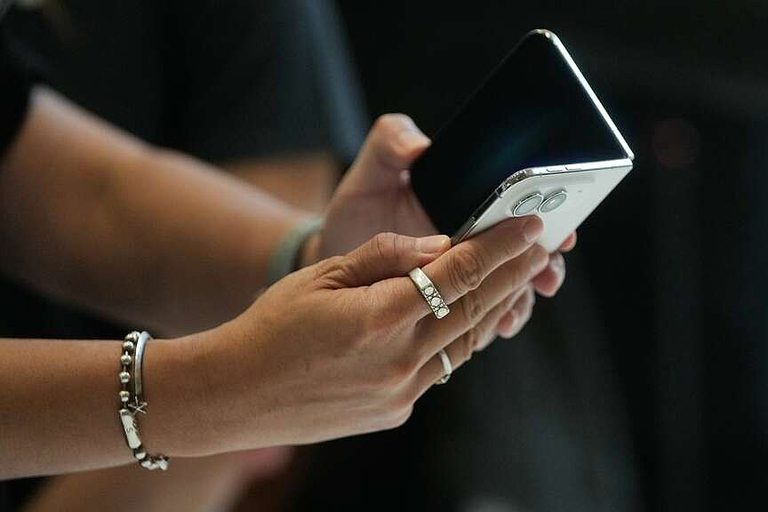
Apple’s newest iPhone lineup, including a folding model starting at $1,999, hits stores this week. While the latest features are tempting, many families and faith‑based households are looking for ways to stretch the life of their existing phones—both Apple and Android—to protect wallets and the environment.
Battery care is the biggest factor
According to Apple, a lithium‑ion battery’s “chemical age” depends on temperature history and charging patterns. Elizabeth Chamberlain, director of sustainability at iFixit, notes that batteries typically endure 300‑500 charge cycles before noticeably losing capacity. Heavy users may reach 500 cycles in about two years.
To preserve battery health, avoid letting the charge drop to 0 % and try not to charge to a full 100 % unless a full charge is truly needed. Keeping the battery between roughly 20 % and 80 % is ideal. Both Apple and Samsung include charging‑optimization features that pause charging at 80 % and finish the charge just before you wake up.
Avoid extreme temperatures
Exposing phones to very hot or very cold conditions can damage batteries. Apple warns against using or charging devices above 95 °F (35 °C). Samsung advises against leaving phones in hot car glove boxes or in freezers—myths that can actually shorten battery life. Google echoes the concern, noting that hot batteries drain faster even when idle.
Protect your device with cases and screens
A sturdy case cushions accidental drops, but some cases can trap heat, potentially harming the battery. Chamberlain recommends choosing cases that balance protection with breathability. For screen protection, tempered glass or TPU film offers better scratch resistance than cheap plastic protectors.
Keep ports clean
Dust and lint can jam charging ports, leading to charging failures. Cleaning kits with brushes, picks, and dust blowers are useful, and a simple toothpick or clean toothbrush can work in a pinch.
Optimize software and power settings
Regular software updates bring security patches and battery‑management improvements. Google has pledged seven years of Android and security updates for Pixel 8 and newer models; Samsung made a similar seven‑year commitment in 2024. Apple has not defined a specific update window, but the iPhone 11 (released in 2019) still receives updates, though it may miss the upcoming iOS 27.
Adjust power settings to extend daily battery life: lower screen brightness, enable dark mode, shorten auto‑lock time, and turn on low‑power mode when the battery falls below 10 %.
Consider repair‑friendly phones
For those who prefer to fix devices themselves, Fairphone—a Netherlands‑based company—designs phones for longevity. Their modular phones can be disassembled with a mini screwdriver, and spare parts like batteries and screens are sold online. Fairphone’s CTO Chandler Hatton says the goal is a minimum five‑year lifespan.
By following these practical steps—mindful charging, temperature control, protective accessories, regular cleaning, software updates, and repair‑oriented choices—families can keep their smartphones functional for many years, saving money and reducing electronic waste.
Original reporting: Texarkana Gazette — read the source article.