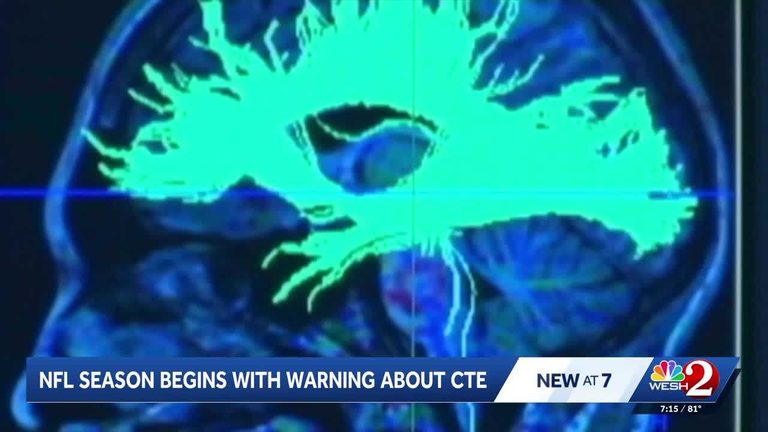
Former NFL safety turned neurosurgeon Dr. Myron Rolle sat down with our studio to discuss the latest findings on chronic traumatic encephalopathy (CTE) and what they mean for children playing football. The conversation comes as the NFL season kicks off and high school programs across the country are in full swing.
Alarming study underscores lingering risks
Rolle referenced a recent study that examined the brains of NFL players who died between 2016 and 2021. The research found that one in four of those athletes had CTE, a progressive brain disease linked to repeated head trauma. “It’s very alarming,” Rolle said, noting that the data serves as a stark reminder that football, even at the professional level, carries serious long‑term health risks.
Progress made, but work remains
When asked whether the league is moving in the right direction, Rolle acknowledged that the NFL has taken steps to improve player safety, such as updating concussion protocols and investing in safer equipment. However, he stressed that “there is still work to be done to ensure the long‑term health and safety of athletes.” The former player‑turned‑doctor highlighted the importance of continued research, better diagnostic tools, and stricter enforcement of safety rules.
Parents urged to stay informed
With youth football programs expanding and children often starting the sport at increasingly younger ages, Rolle addressed parents directly. He urged families to educate themselves about both the risks and the benefits of football. “Parents should be informed about the risks and benefits of football and ensure their children are playing in environments that prioritize safety,” he said.
Rolle emphasized that informed decision‑making starts with understanding the science behind head injuries, the signs of concussion, and the steps taken by leagues to mitigate danger. He encouraged parents to ask coaches and program directors about safety policies, equipment standards, and the training staff’s medical expertise.
Coaching plays a critical role
According to Rolle, coaches are the frontline defenders of player safety at the youth level. He highlighted that proper technique instruction—especially teaching players how to tackle and protect themselves—can dramatically reduce the likelihood of head impacts. “Coaches are critical in teaching the proper techniques of the game and fostering a culture of safety from the very start of players’ football journeys,” he explained.
Rolle called for more comprehensive coaching certifications that include medical education on concussion recognition and response. He also suggested that leagues adopt stricter limits on contact drills during practices, a measure already being piloted in several high‑school districts.
Looking ahead
Rolle’s involvement with the NFL Players Association in a player‑safety role signals a growing commitment from former athletes to protect the next generation. He hopes that continued collaboration between medical experts, league officials, coaches, and parents will lead to safer playing environments without sacrificing the values of teamwork, discipline, and physical fitness that football imparts.
While the study’s findings are sobering, Rolle remains optimistic that with informed parents, educated coaches, and ongoing league reforms, youth football can continue to thrive as a safe, character‑building sport for American families.
Original reporting: WESH Orlando — read the source article.