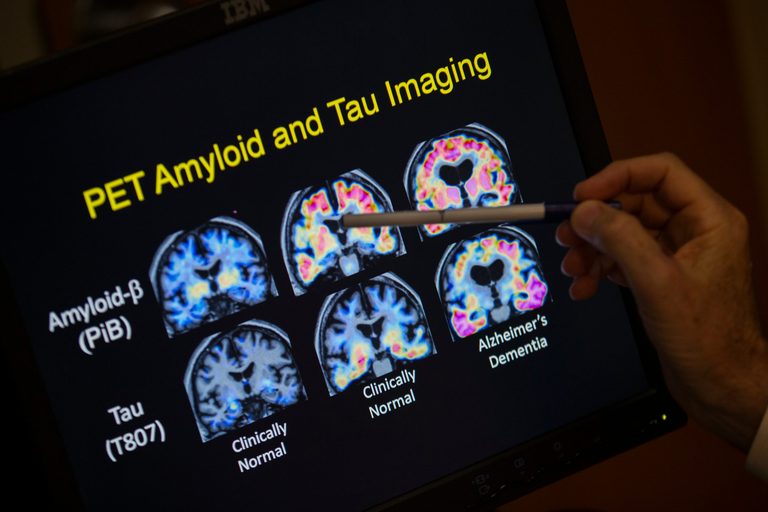
Washington – The Food and Drug Administration has cleared four blood tests that help doctors determine whether Alzheimer’s disease is causing memory problems. However, leading specialists caution that these tests are not approved for people who have no symptoms and should be used only in research settings.
Why the tests aren’t for the “worried well”
“The worried well should not be getting those tests outside of a research study,” said Nicholas Ashton, a testing expert with Arizona’s Banner Health. The tests can identify abnormal levels of the protein p‑tau217, which often rises as amyloid plaques build in the brain of people already showing cognitive decline. For symptom‑free adults, a high p‑tau217 result is only a risk factor, not a certainty of future Alzheimer’s.
Proven ways to protect brain health
Researchers emphasize that lifestyle choices remain the most reliable method to lower dementia risk. A large study found that individuals who reached middle age without high blood pressure, type 2 diabetes, or smoking lived dementia‑free for nearly 13 years longer than those who had all three conditions in their 50s. Dr. Josef Coresh of NYU Langone Health, senior author of the study, urged people to “be aggressive” in managing these health risks.
Key recommendations include:
- Moderate‑intensity exercise for at least 30 minutes, four days a week, plus resistance training twice weekly.
- Following the MIND diet, which emphasizes leafy greens, berries, whole grains, poultry, and fish.
- Getting sufficient sleep, staying socially connected, treating hearing loss, and engaging in mentally stimulating activities.
Even individuals who carry the APOE4 gene, which raises Alzheimer’s risk, benefited from healthier middle‑age habits.
What the tests can tell us
In a study by Mass General Brigham, older adults with very high p‑tau217 levels faced a 38% chance of developing cognitive impairment within five years, with risk rising over ten years. Yet many people with elevated amyloid never develop symptoms, and false‑positive results can cause unnecessary anxiety.
Mark Yost, 60, of Phoenix, participated in a Banner blood‑test study and received an “intermediate” result, indicating some amyloid presence but not a worrisome level. He described the uncertainty as “a little disappointing” but said he will continue exercising and pursuing brain‑healthy hobbies.
Future directions
Clinical trials are ongoing to determine whether Alzheimer’s drugs can be effective before symptoms appear. Until results are clear, experts recommend focusing on proven, heart‑healthy habits that also protect the brain.
For now, the consensus among doctors is clear: prioritize blood‑pressure control, diabetes management, smoking cessation, regular exercise, and a nutritious diet over unvalidated blood testing for dementia risk.
Original reporting: Alexandria, VA News – WTOP News — read the source article.