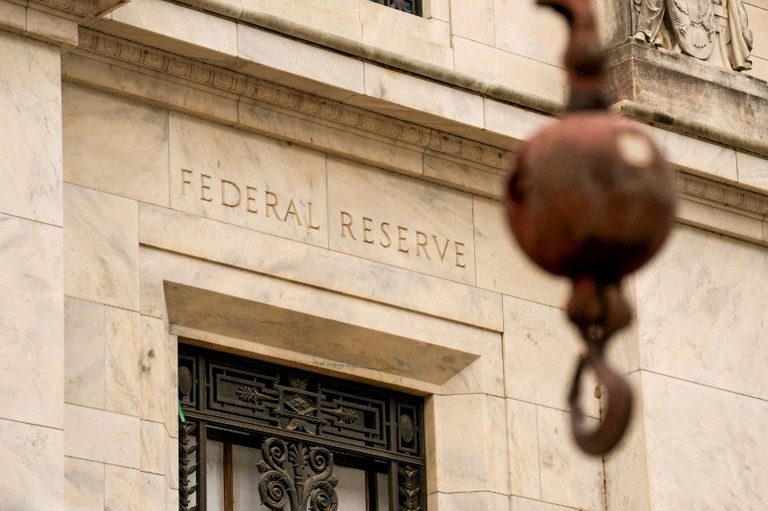
National economists and market participants are gearing up for a likely interest‑rate increase by the Federal Reserve next week, after the latest inflation data showed a stronger‑than‑expected rise in core consumer prices.
Key inflation numbers
The Bureau of Labor Statistics reported that the consumer price index (CPI) excluding food and energy – the core measure most closely watched by the Fed – increased 0.3% in August compared with July. Analysts had projected a 0.2% gain. Over the 12‑month period, core CPI was up 2.4%, while the overall CPI, which includes food and energy, rose 3.4%.
Energy costs add pressure
Oil prices have surged above $100 a barrel amid renewed tensions in the Middle East, adding to concerns that higher gasoline and diesel costs could spill over into broader price pressures. Nationwide chief economist Kathy Bostjancic warned that the “renewed march higher in oil, gasoline and diesel prices” could lift inflation expectations.
Fed’s stance
Since the start of the year, the Fed has kept its policy rate in the 3.50%‑3.75% range. In a recent statement, Fed Chair Kevin Warsh said the central bank would act if it could not see underlying inflation moving “clearly and at sufficient speed” toward the 2% target. The latest data, however, fell short of that confidence threshold.
Market expectations
Short‑term interest‑rate futures now price an about 85% probability of a 25‑basis‑point hike at the September 15‑16 meeting, up from roughly 70% before the report. Traders note that even a single category – wireless services – jumped 5.9% and contributed to the August core CPI increase.
Analyst commentary
Principal Asset Management’s chief global strategist Seema Shah wrote that the clean 0.3% core CPI print, combined with rising energy costs and ongoing geopolitical tension, “all but locks in a Fed rate hike next week.” She added that after more than five years of inflation above target, policymakers are likely to conclude that more than one hike may be needed to restore price stability.
Inflation Insights analyst Omair Sharif cautioned that without the extraordinary rise in wireless services, the core increase would have been more modest, but he expressed doubt that the Fed can ignore the current odds of a hike moving toward the 90% range.
What this means for households
A higher benchmark rate typically translates into higher borrowing costs for mortgages, auto loans and credit cards. While the move aims to curb inflation and protect the purchasing power of families, it also means consumers should expect tighter credit conditions in the coming months.
Overall, the data suggest that inflation remains above the Fed’s 2% goal and that the central bank is prepared to act decisively to keep price growth in check.
Original reporting: Appleton, WI News Feed (HLL/CB) — read the source article.